Course Review

Manito Golf and Country Club
Spokane Washington
Storybook Classic with Serene Greens
AMW Faves List
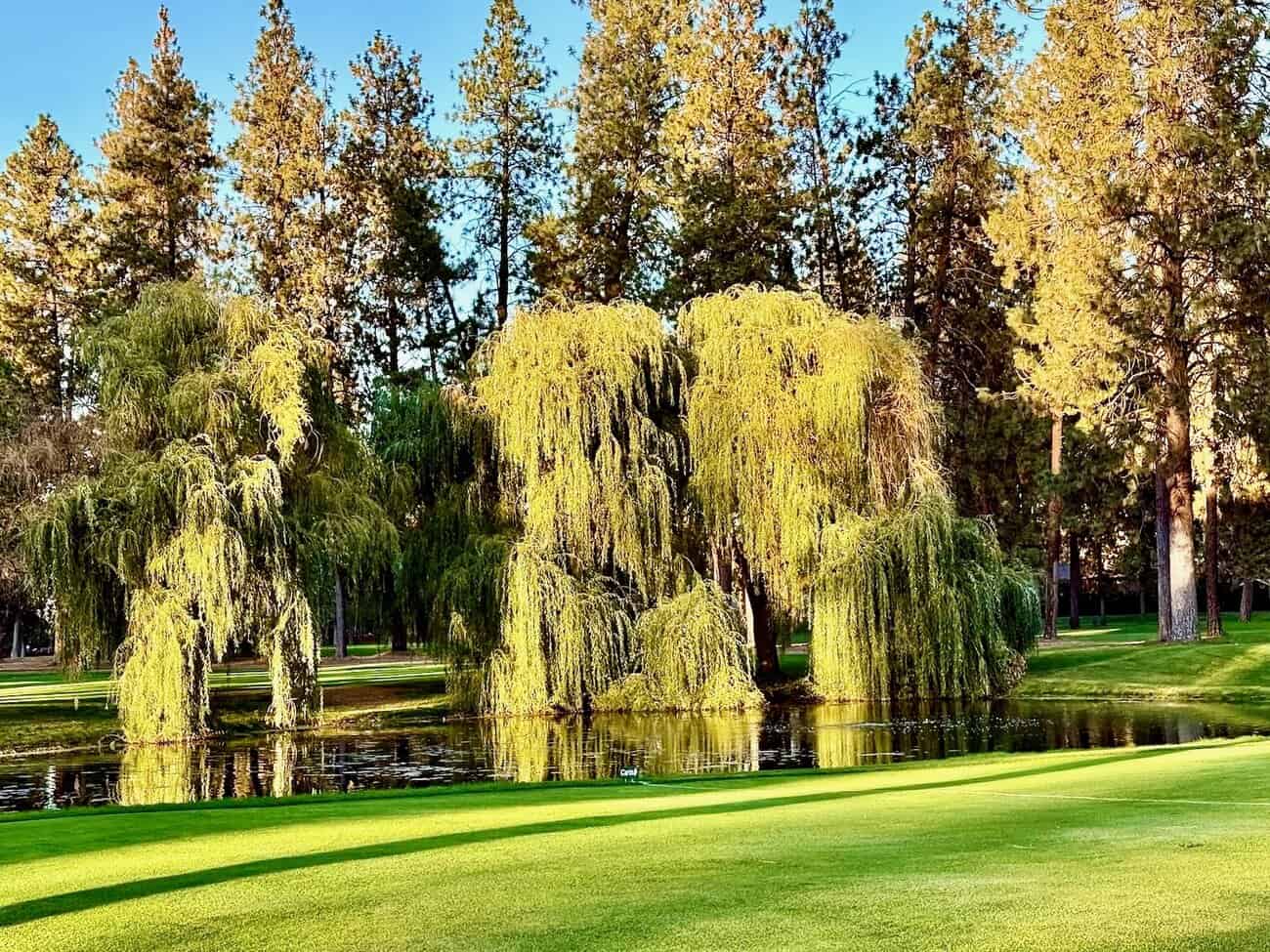
Favorite Par 3 – #12 – has to be one of the signature holes from the redesign. Beautiful weeping willows along a sleepy pond.
Favorite Par 4 – #3 – well designed with a very difficult approach shot.
Favorite Par 5 – #4 – one of the only original holes (hole 10) – a decent chance for birdie by hitting the green in two.
Favorite Hole Design – #9 – lovely and very challenging par 4 to finish the front nine.
Easiest Hole – #2 – hit a good drive and a short approach will greet you!
Hardest Hole – #1 – a big opening hole with the tee box where everyone can watch!
Favorite Extra Sighting – Steve Prugh Teaching Center.
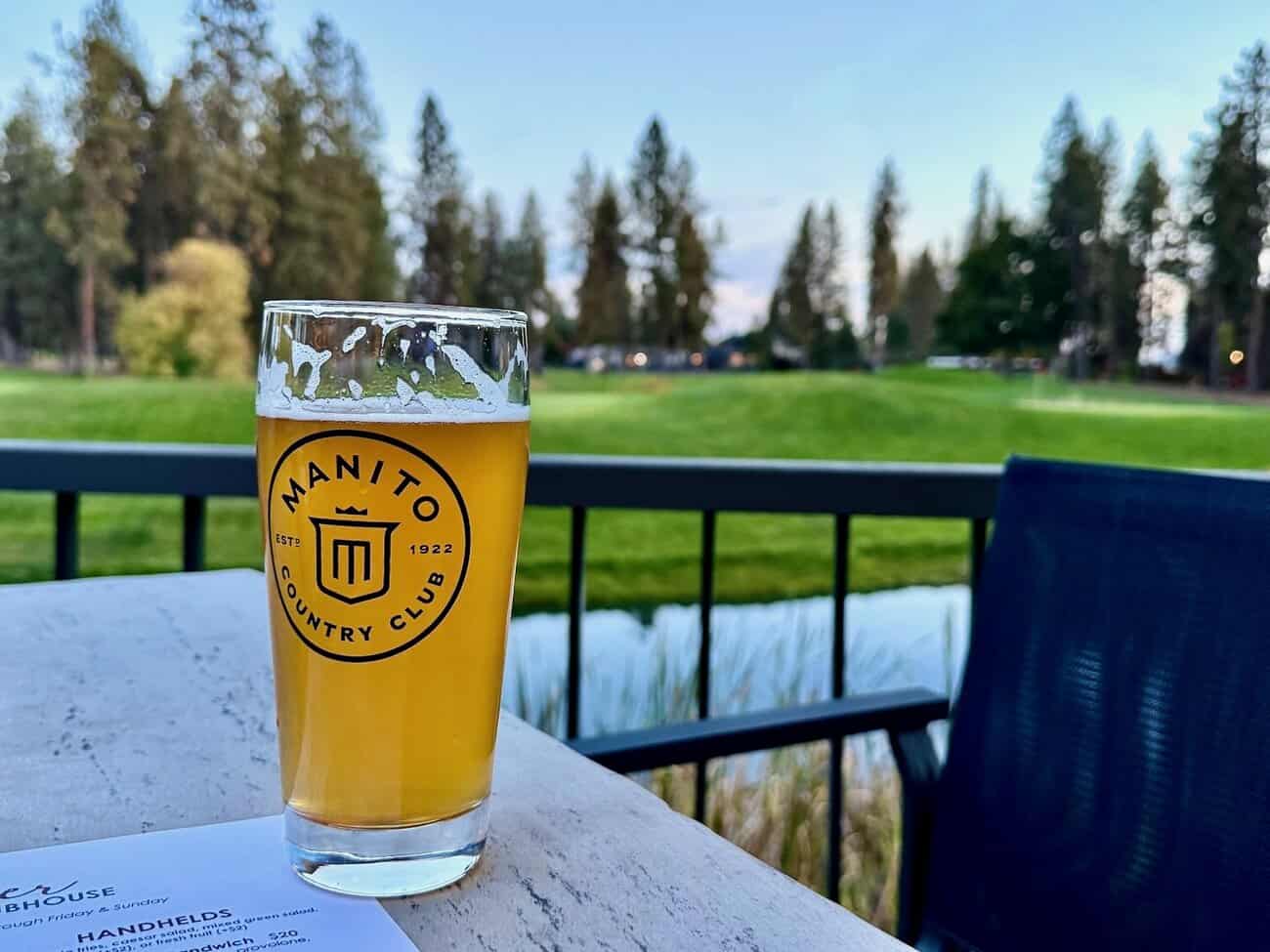
Favorite Après Golf – dinner on the deck if you are lucky enough!
Where to Stay – Davenport Hotels (Historic or Grand).
Where to Eat –Luna, Manito Tap House, Flying Goat, Mizuna, Iron Goat, Wild Sage, Clinkerdagger’s, Wooden City, Rüt (Vegan), Rockwood Bakery.
PLAN AHEAD
Course Details
Address: 5303 Hatch Road, Spokane, WA 99223
Telephone: +1 (509) 448-2045
Website: manitocc.com
Director of Golf: Gordon Corder
Architect: Arthur Vernon Macan; redesign Jeff Mingay
Year Open: Founded 1917; course opened – 1922
Greens Fees: ⛳️⛳️⛳️
Yardage: Blue – 6470; White – 6188; Gold – 5698; Red – 5294
What You Need to Know
It's AMW Story Time!
If the trees around Manito could talk
What stories would they reveal as you walk.
The hallowed grounds of years gone by
Where deer frolic and eagles fly.
Family and friends lucky as can be
To spend time hitting from each tee.
Down fairways manicured with deep care
This test of golf is wondrous and fair.
What is in a name? Manito.
In the Salish language, it speaks of a force of nature, something unseen yet deeply felt. Wind through the pines. The pull of gravity at the edge of a bluff. The quiet strength of land that has outlasted generations. Perched high on Spokane’s South Hill, the name carries another meaning too: top of the hill. A place elevated not just in geography, but in spirit.
Long before fairways were carved into the bluff above Hangman Creek Valley, the land had its own rhythm. The whisper of wind through pines, the quiet sweep of the hillside, and the steady pulse of the Spokane River below. The first organized golf on the South Hill took shape with the Spokane Golf Club, a modest course where Spokane’s early enthusiasts gathered to play and socialize.
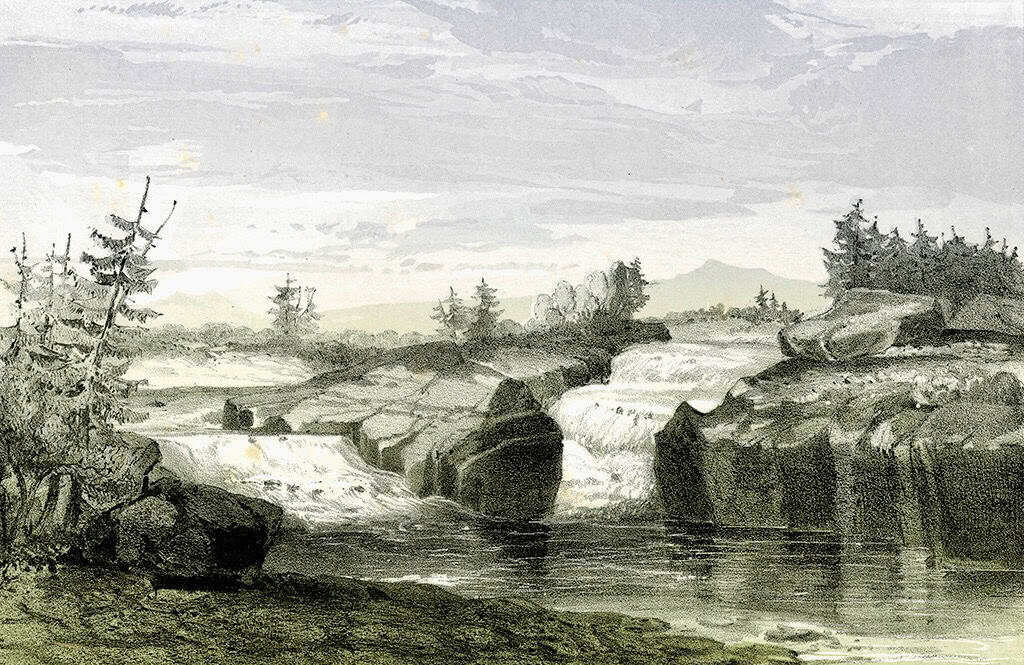
In 1908, fire altered the trajectory of golf in the city. The Spokane Golf Club’s clubhouse was lost to flames, and with it, the center of the club’s life. Many members chose to relocate north, laying the foundation for what would eventually become the Spokane Country Club (and later Kalispel Golf and Country Club). But not all the original folk would leave. A small, determined group remained on the South Hill, committed to keeping golf alive in their neighborhood, planting the seeds for what would later become Manito Golf Club. Their choice preserved a piece of Spokane’s landscape and set the stage for a new chapter in the city’s golfing story.
And so, this group of dreamers began again.
In 1917, with modest means but unmistakable ambition, they formed Manito Golf Club at Hart Field. The land was small, the course little more than a skeletal routing carved from open ground, yet it represented something far greater than fairways and greens. It was a declaration of intent, a belief that championship golf belonged on Spokane’s South Hill. They were not merely building a place to play. They were building a future.
Five years later, that future revealed itself in 137 acres of pine-covered hillside overlooking the Hangman Creek Valley. The land was raw and untamed, fragrant with ponderosa and alive with wind. It felt removed from the noise of town, yet close enough to remain part of the city’s daily rhythm. It was, unmistakably, the place they had imagined.
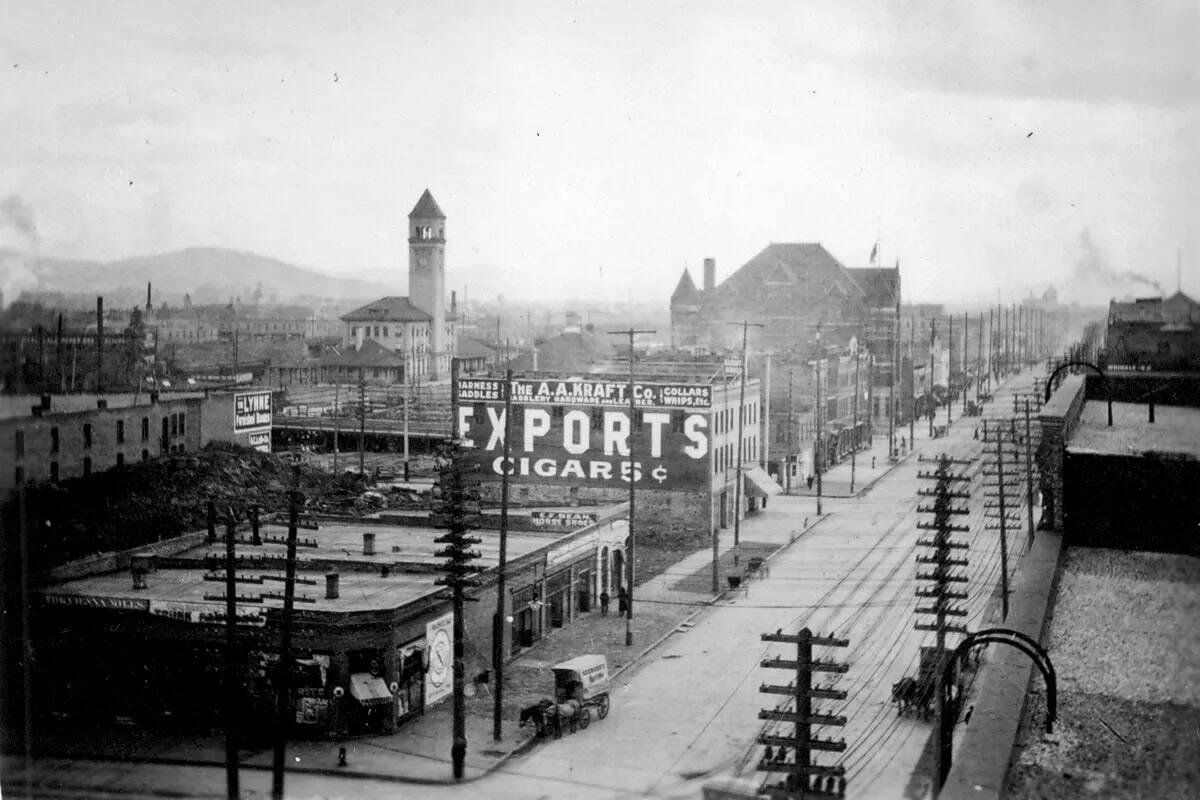
What had begun as a modest experiment at Hart Field became something far more enduring, a secluded social club in the forest, just miles from downtown, where sport and fellowship would intertwine. Fairways would soon wind through the trees. Greens would settle into natural contours. And generations would come to call it home. The dream had found its ground.
They commissioned the respected architect Arthur Vernon Macan to lay out the original course. Macan understood land. He didn’t force it into submission; he listened to it. The holes followed the natural movement of the terrain, fairways resting gently between the trees, greens set where the earth seemed to invite them.

Rising from the bluff like it had always belonged there, a grand mansion clubhouse opened its doors elegant, confident, and unmistakably ambitious. It was not simply a golf facility. It was a statement of arrival. A sweeping entrance welcomed members up the drive, where a manicured putting green rested just steps from the front door, a subtle reminder that the game was always at the heart of it all. Along one side, a pool shimmered in the summer light, filled with children playing Marco Polo and adults enjoying rays of sunshine. Behind the clubhouse, the land fell away toward the valley, offering views that felt expansive and private all at once. And just a few miles down the road was the sprawling playground of Manito Park.
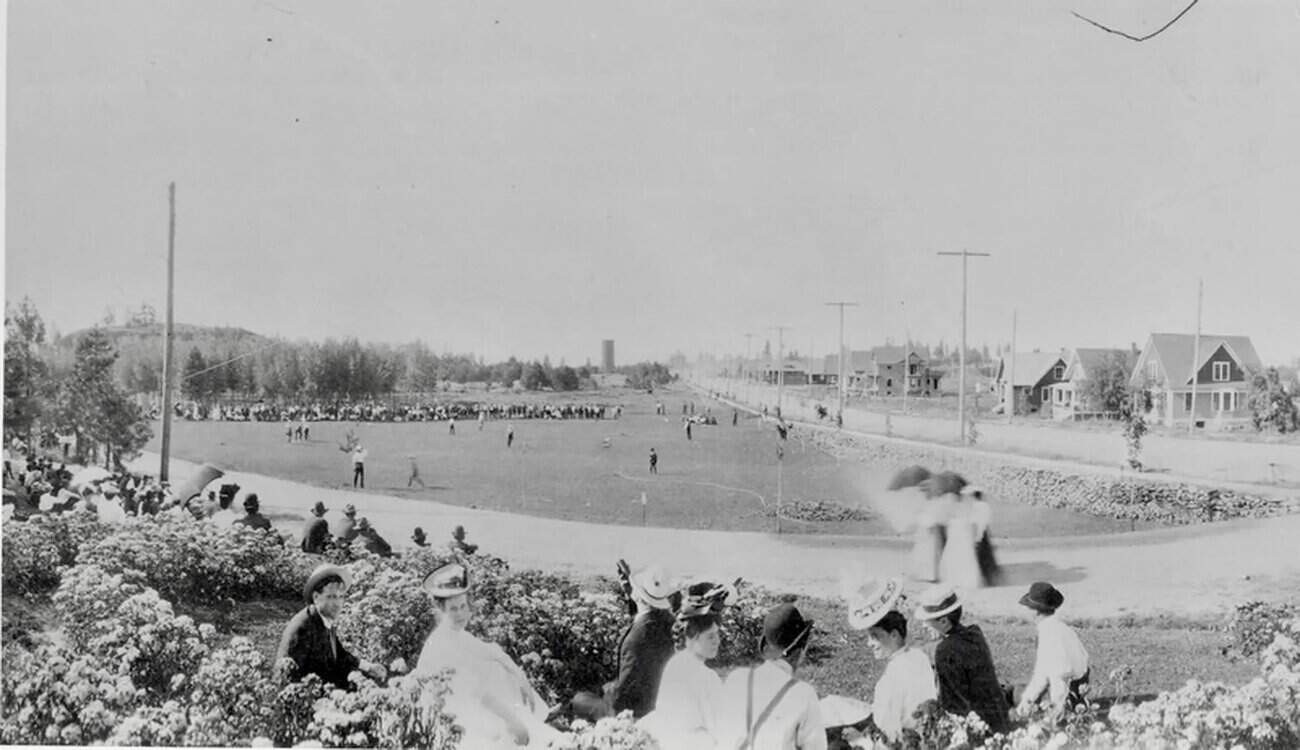
Inside, the ballroom came alive with music drifting beneath high ceilings, polished floors carrying the rhythm of dancing feet. Dining rooms glowed with warm light, filled with conversation and the gentle clink of glassware. Laughter echoed through hallways lined with dark wood and framed memories. In a city growing in stature and confidence, the clubhouse became a social anchor, a gathering place for Spokane’s high society where sport and celebration intertwined seamlessly. Afternoons on the fairways gave way to evenings in formal attire. Tournaments flowed into dinners. Victories were toasted beneath chandeliers. It was more than architecture. It was identity for those who called it home.

On that bluff above the valley, a community had built not only a clubhouse, but a cultural landmark, a place where generations would mark milestones, forge friendships, and return repeatedly, drawn as much by belonging as by the game itself.
In 1935, the name evolved to reflect its stature: Manito Golf and Country Club. A force of nature. Top of the hill. The name fits. Because Manito has always been more than a course. It is resilience after fire. It is loyalty to place. It is pine-scented mornings and long summer evenings stretching across the bluff. It is history layered into every fairway and the quiet understanding that some places shape us just as much as we shape them.

When World War II erupted in 1939, much of the sporting world fell silent. Championships were suspended. Travel was restricted. Priorities shifted. And yet, whispers carried across the Atlantic that golf was still being played at St Andrews Links even under the shadow of air raids.
That rumor reached Fred Corcoran, the PGA’s Tournament Manager, who believed the game could serve a purpose beyond competition. Golf, he thought, could steady nerves. It could lift spirits. It could remind people, especially troops overseas, that normalcy and joy still existed.
With the backing of Spokane’s Athletic Round Table and the bold commitment of Manito Golf and Country Club, the club stepped forward to host the 1944 PGA Championship. Amid wartime rationing and uncertainty, $20,000 was pledged for the purse, and players’ expenses were covered. It was an audacious gesture of optimism.
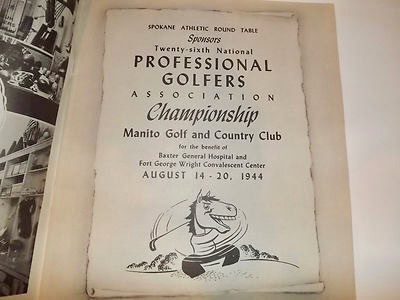

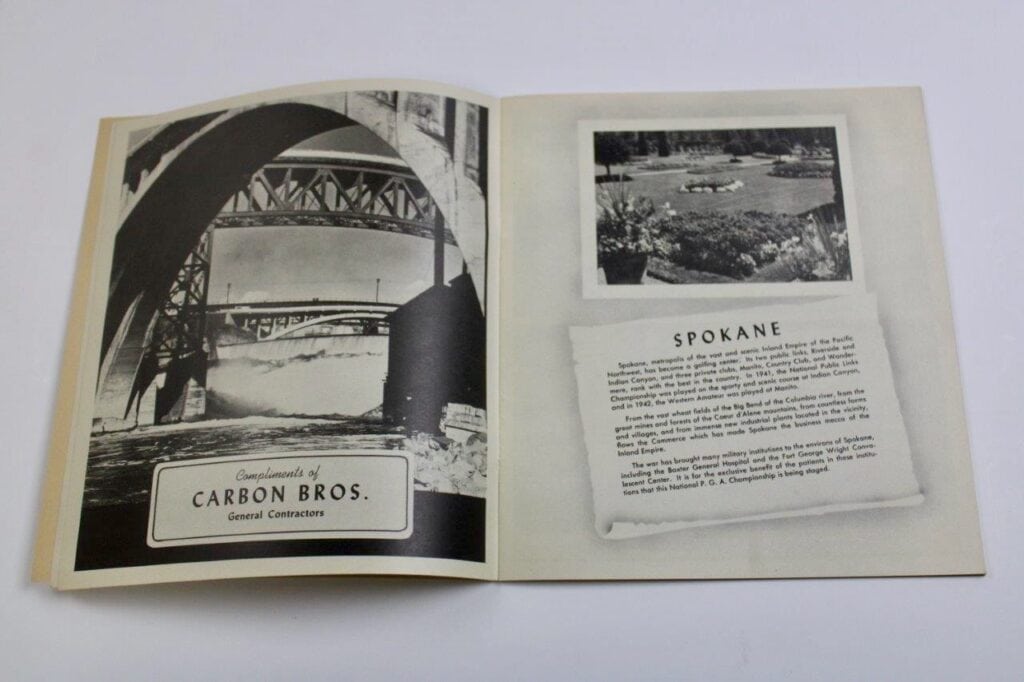
PGA Championship 1944
The field was smaller, but the crowds were not. Spectators lined the fairways in record numbers, hungry for something hopeful. The championship, contested in match play, delivered drama worthy of the moment.
In the final, an unheralded professional from Indiana, Bob Hamilton, faced one of the era’s giants, Byron Nelson. On the 18th green, Hamilton rolled in a 15-foot putt to secure victory, a single stroke that echoed far beyond the bluff above Hangman Creek Valley. Today, that putter still rests inside Manito, alongside black-and-white photographs that capture a time when golf carried more than a scorecard.
Manito’s competitive legacy extends beyond that single week. The club had hosted the 1942 Western Amateur and numerous regional championships, embedding itself firmly in the fabric of American golf.
In 1988, renowned architect Jeff Mingay reimagined the original eighteen, ushering in a modern era. The stately old mansion clubhouse was eventually dismantled, replaced by new “digs” across the street. The new structure may not possess the sweeping views or gilded grandeur of its predecessor, but it reflects a contemporary philosophy, one centered on family, community, and enjoyment of the game.
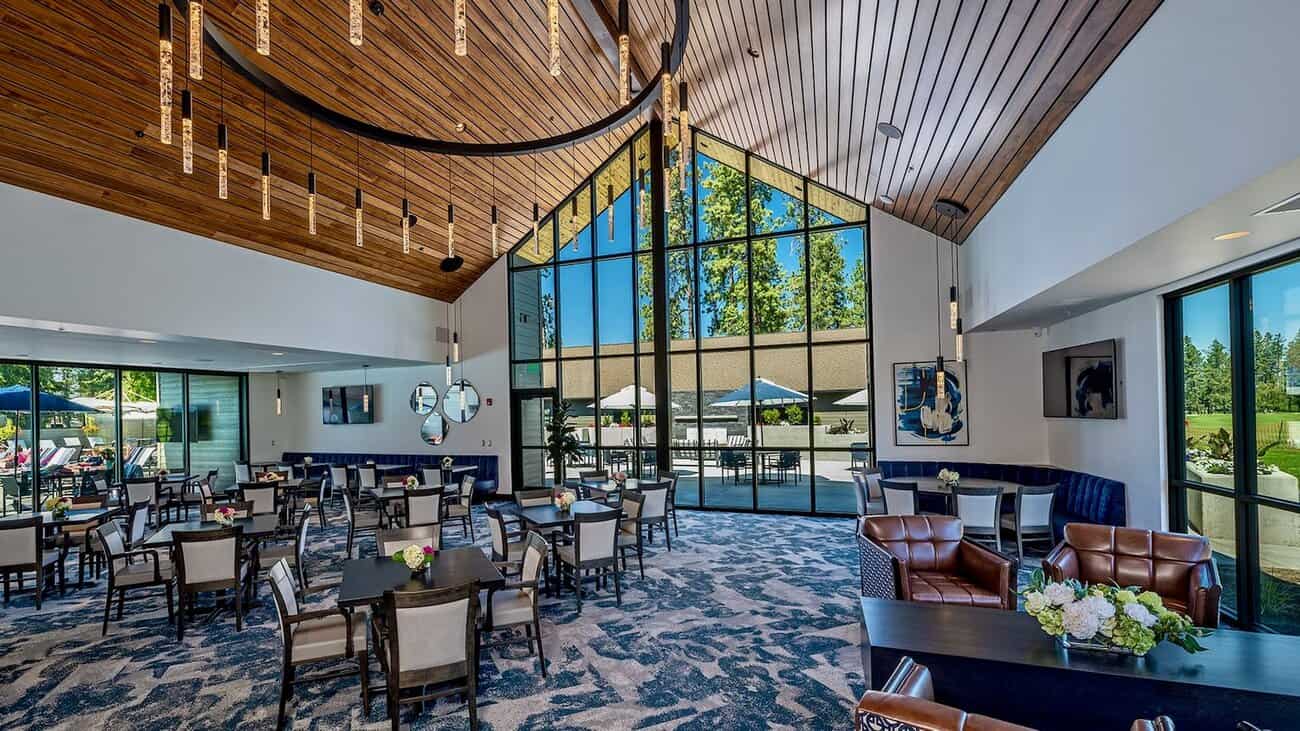
With a major PGA Championship on its résumé, the question naturally follows: how is the golf course today?
To answer honestly, I must admit my bias. Manito is where I grew up. Where I learned to grip a club. Where summer evenings stretched endlessly across pine-framed fairways. Any review I offer will be laced with nostalgia because some courses are measured not only in yardage and slope, but in memory.
As a kid, golf clubs strapped across my back, I’d ride my bike down the narrow trail that ran alongside the white picket fence, both a boundary and a kind of guardian for a few holes on the course. Just a few blocks from home, even shorter in a straight line, and a safe crossing over Hatch Road would part the golfing seas, and suddenly the course was mine.
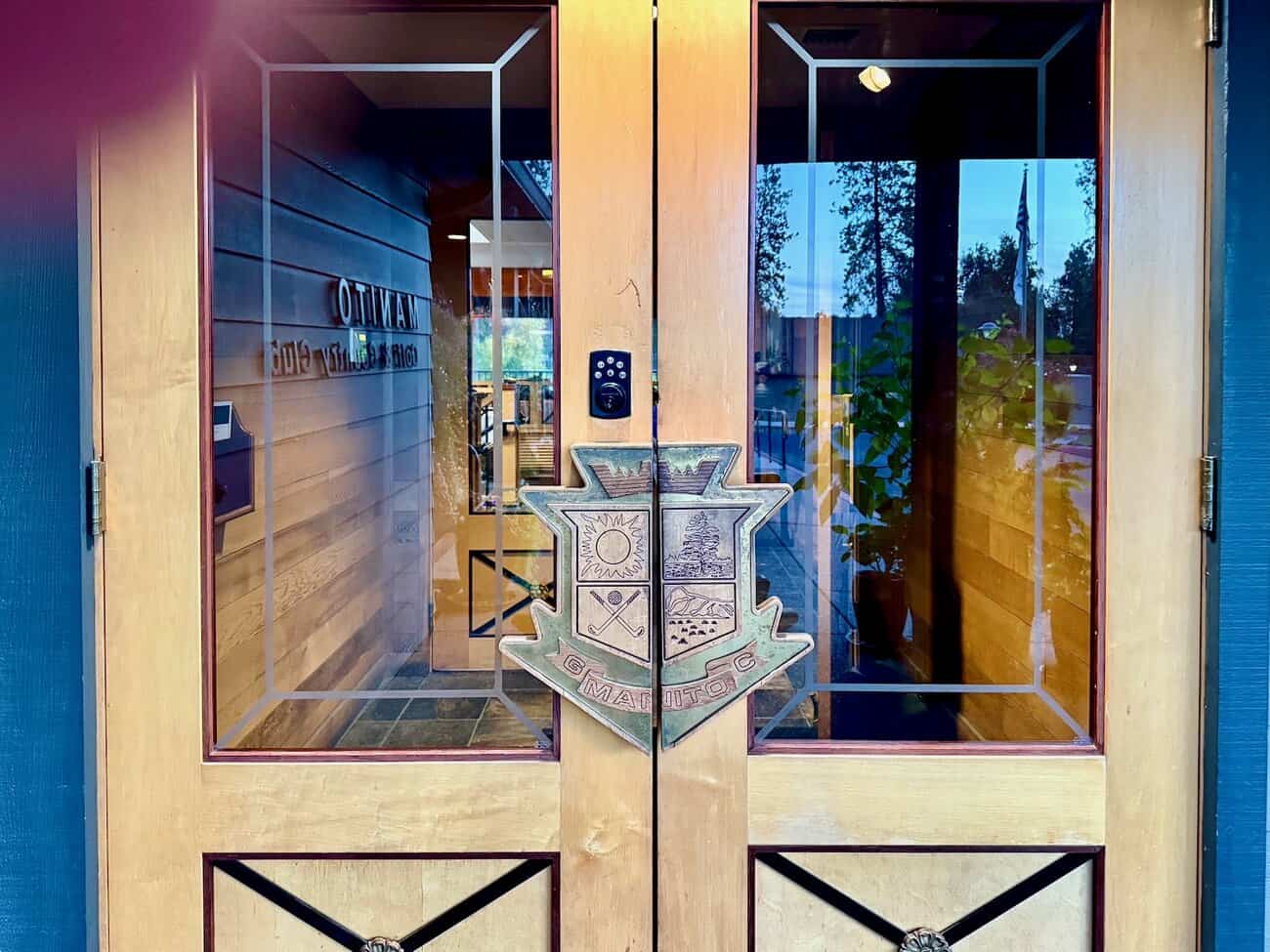
The original layout started with #1, right in front of the old pro shop. Nerves always crept in as I teed up, the fairway wide and open, everyone a spectator to your first shot down the straightaway par 4. Across the course, #18 ran parallel, finishing at the pool where all the eyes again waited, marking the end of the round, and a run to the Royal Burger and fries.
#2 was a playful little par 4 with an elevated green and out-of-bounds down the right side. About 200 yards out, I claimed my perch every summer during the Men’s Club Championship, then called the Pow Wow. A real teepee nestled among the trees held soft drinks and beer, and I’d station myself just outside its opening. From there, I could watch drives sail from the tee box, praying a wayward shot wouldn’t send me flying from my post. Tips came my way too, fifty cents, a dollar, for locating lost balls that strayed across the road into the forest. A sleeve of Club Specials could be mine with just a little patience and sharp eyes. That second green also became a vantage point during the eruption of Mount St. Helens, a reminder that the world outside the course could erupt just as dramatically as the contests on it.
#3 was a beautifully conceived par 3. I still smile remembering a junior 3-holer event when my dad hid behind a tree to the right of the green, taking careful journal notes on my progress or non-progress! And #4, the first par 5 I ever eagled, also led me home, our house tucked just off the right side of the green. Memories of my white German Shepherd, Sabre, sneaking into a golf cart with me to play three holes before dinner, fill me with a quiet joy that defies description.
Though the holes have changed over the years, some dramatically, the energy of the course remains. Waves of memory and motion sweep through the pines, threading together all that was and all that now is. It is a place alive with both history and heart and, in its rhythm, I find a piece of my soul.
Jeff Mingay’s redesign is skillfully executed, but there is no denying that the panoramic view from the left rough of #18 is missing the vista that once stretched over Spokane’s South Hill and the Hangman Creek Valley, a great memory for those who knew it. Yet golf has changed, and today’s players seek a different kind of experience. The course, as it stands, delivers exactly what Manito intended: a layout that is fair, engaging, and fun for all. Families, newcomers, seasoned golfers, and juniors alike can enjoy the rhythm of the holes without intimidation, a true community course at heart.
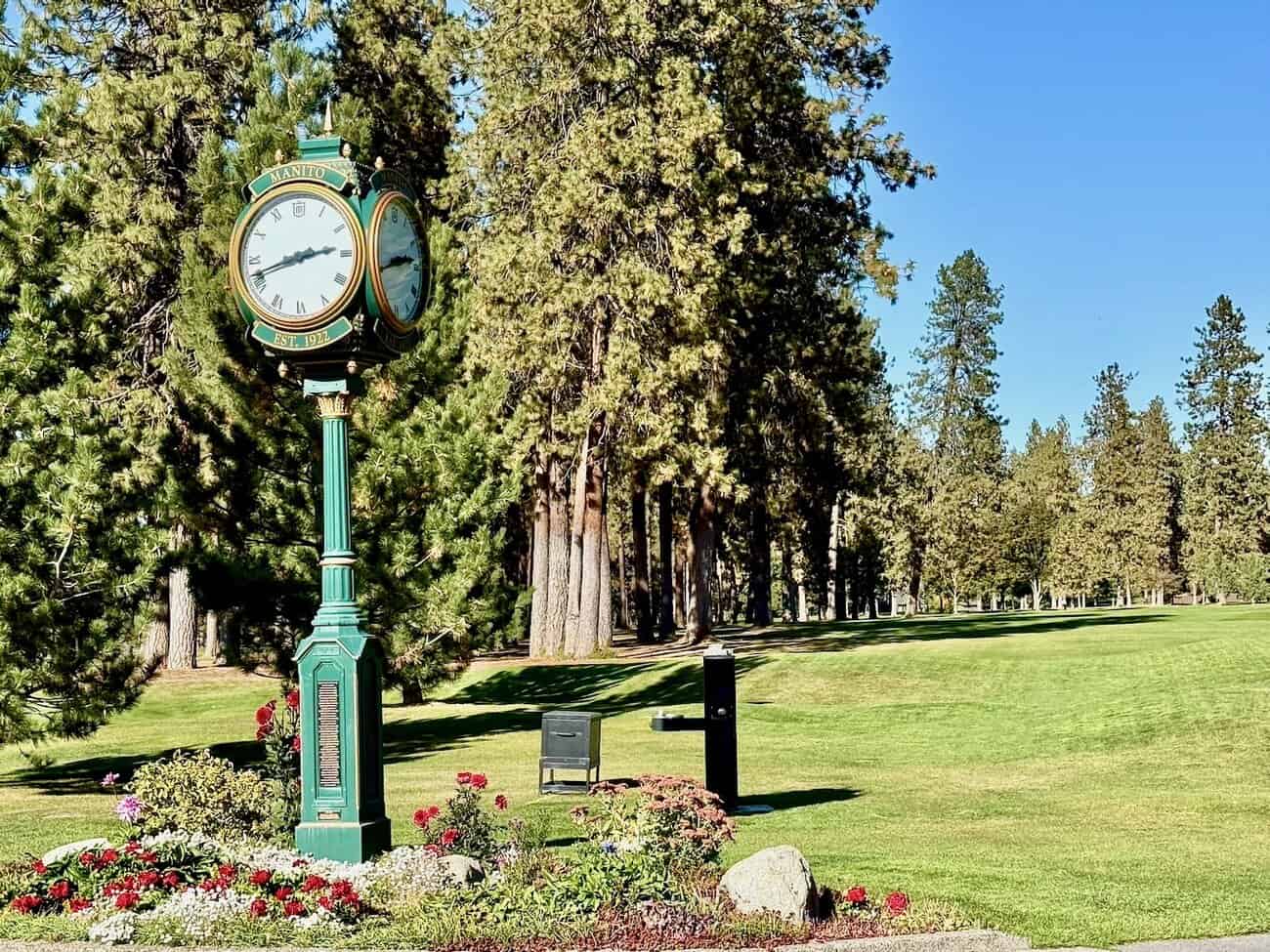
With that in mind, let’s take a closer look at how the course plays today, hole by hole, and explore the character, strategy, and subtle challenges that make modern-day Manito a place both rooted in tradition and alive with contemporary enjoyment.
Let’s Play the Course...
A very short walk from the pro shop brings you to the first tee a quiet transition from conversation to concentration.
Hole 1
From both the front and back tees, the yardage for this par 4 suggests a gentle beginning. But appearances here can be deceiving. Soft, tree-lined fairways frame the landing area, and greens as quick as lightning have a way of recalibrating confidence before you’ve even settled into your stride. This opener has humbled more than a few egos right from the start. Fairway bunkers rest in thoughtful positions not dramatic but deliberate asking for both commitment and control. Take a confident line and send the opening drive deep, and you’ll be rewarded with a short- to mid-iron in hand, an early opportunity to dial in your approach and set the tone for the round ahead.
Hole 2
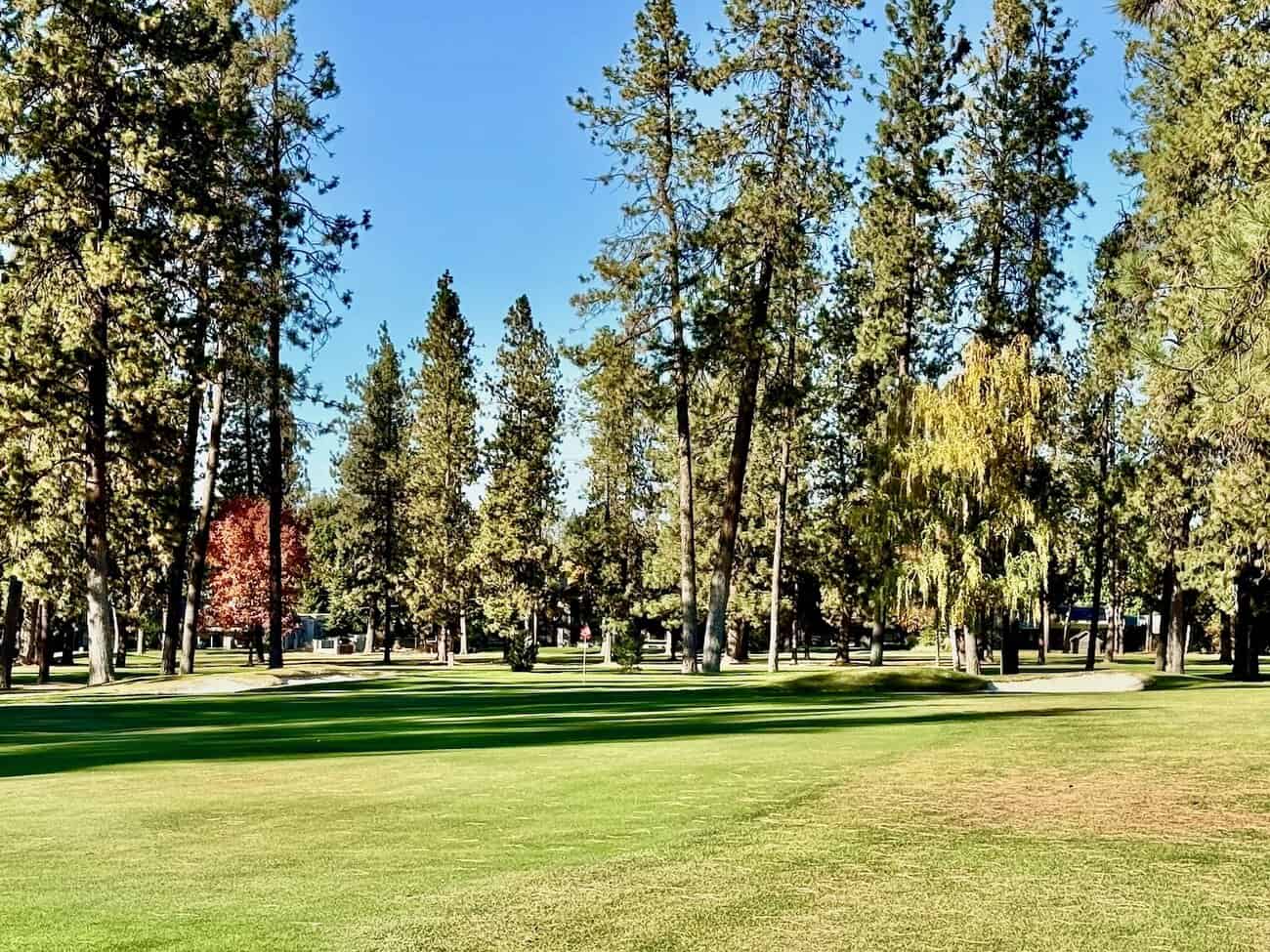
A short par 4 with a subtle dogleg to the right arrives at the 2nd hole. With proper placement off the tee favoring the ideal angle rather than sheer distance, a short iron in hand offers a genuine chance to send red numbers to the card. The hole gently works its way back toward the clubhouse, a quiet reminder of where the round began. And for those needing a quick reset, whether a sip of water or a forgotten glove, it provides a convenient opportunity to reload before pressing on.
Hole 3
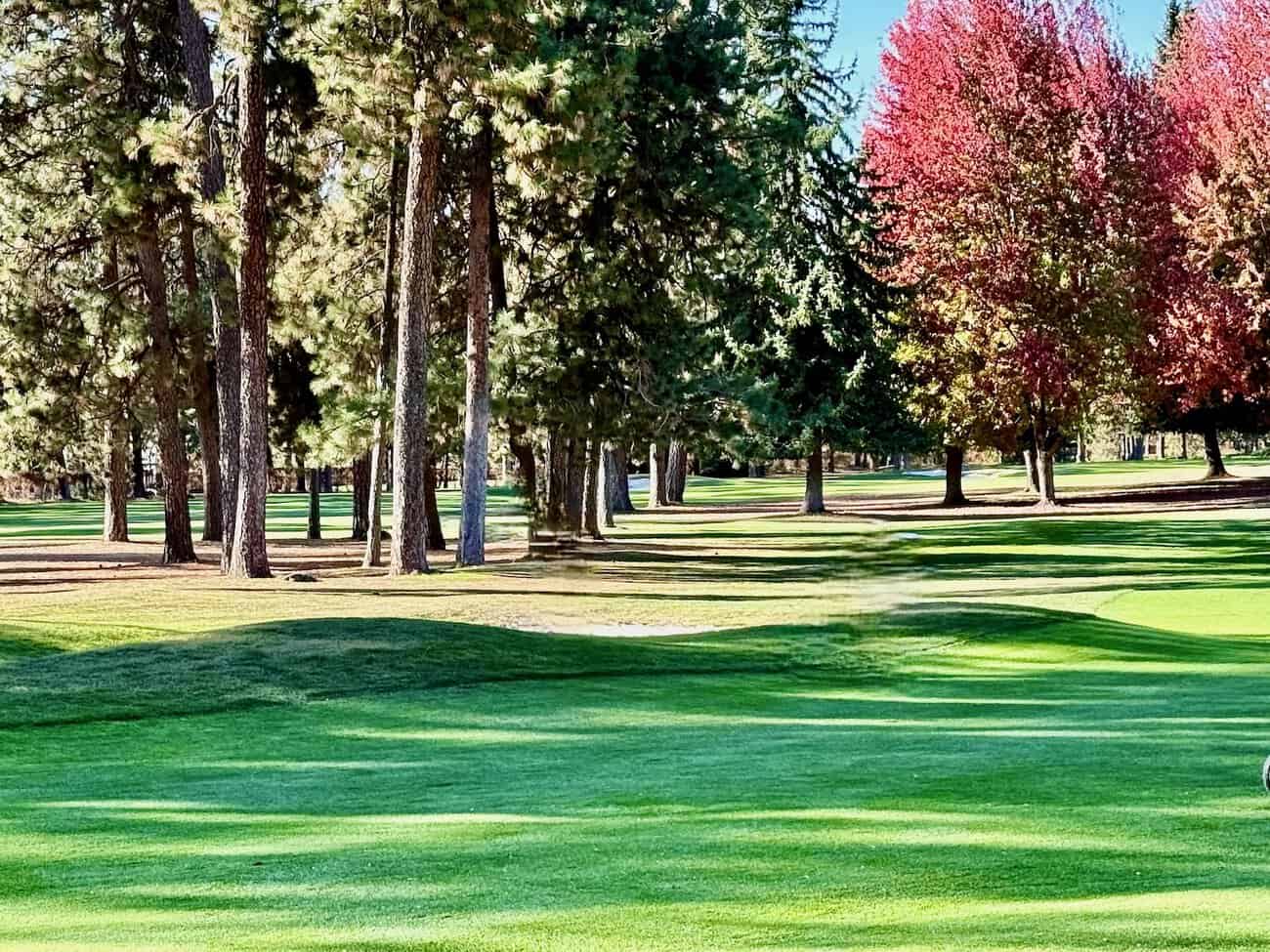
The 3rd hole begins quietly at the base of the parking lot, tracing the familiar white fence that runs along Hatch Road, a boundary lined as much with memories as with timber. A drive straight down the middle will grant you access to a very well-guarded green. Anything struck without conviction will meet the menacing greenside bunkers that stretch across the front of the putting surface. Long brings pine straw into play. Miss right, and you’ll find more of the same a tangled reminder that precision matters here. It’s a short par 4, but full of pettiness, the kind that punishes casual swings and rewards restraint. Play it smart. Respect its subtleties. Take your par and move quietly on.

Hole 4
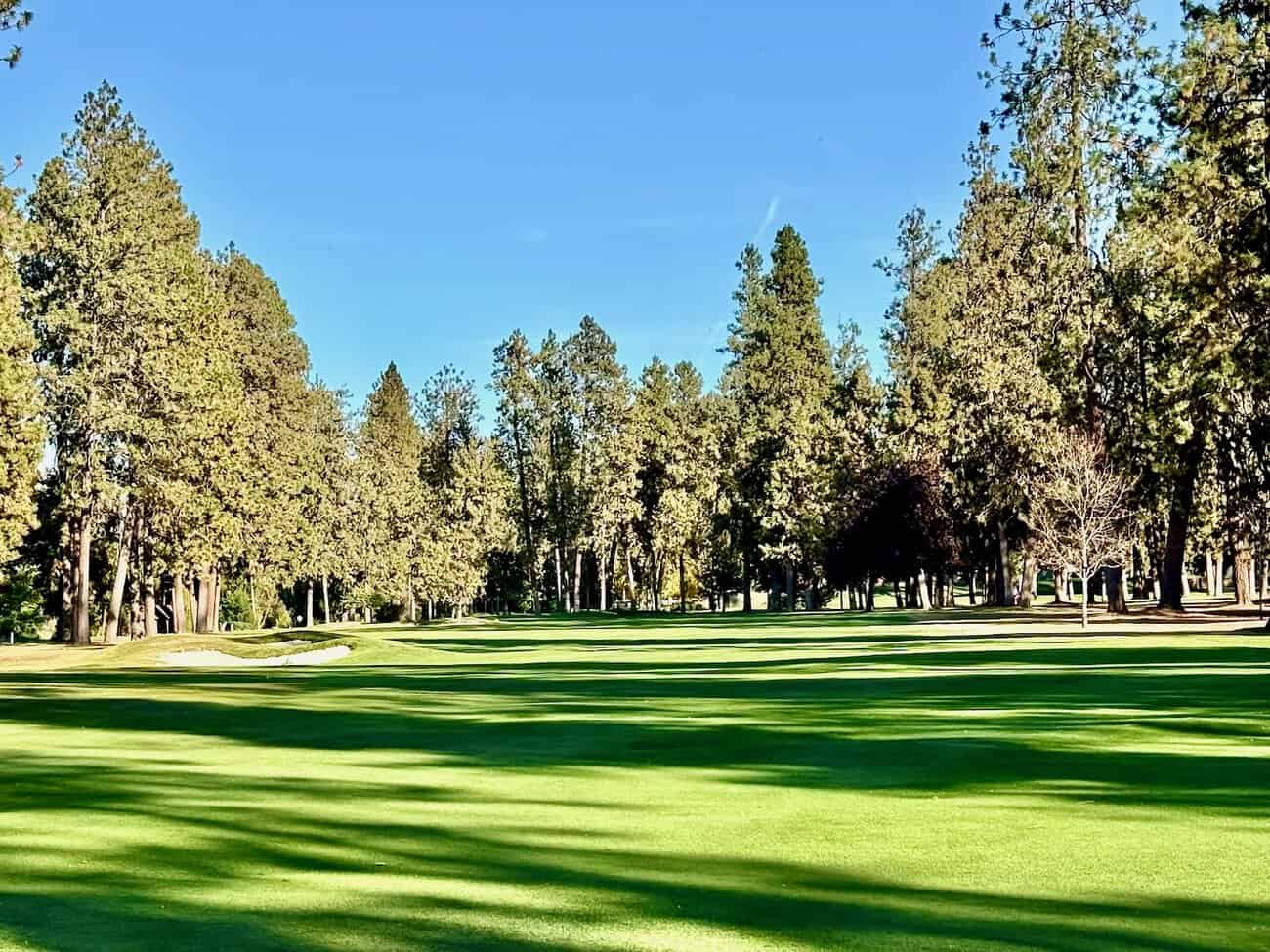
Once the old 10th hole, the 4th hole is a buttery little par 5 that tempts you from the first swing. The fairway opens its arms and quietly dares you to send it downrange with confidence. A well-struck drive sets the table, and suddenly the possibility of reaching in two lingers in the air, an eagle taking flight if both courage and contact align. It is generous, but only to those who commit. Play this one bold and go for the gold.
Hole 5
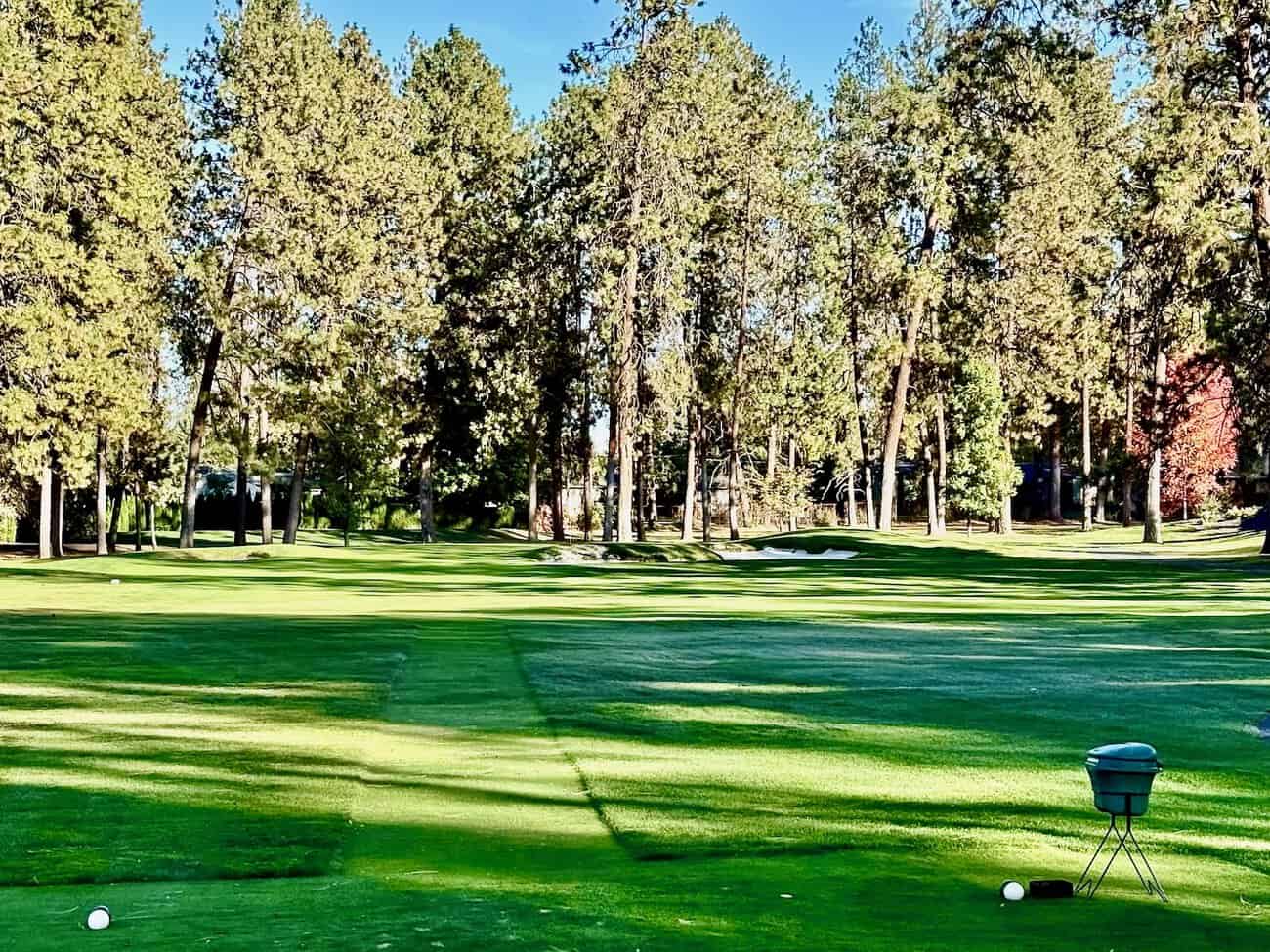
The 5th shifts the rhythm entirely. A short par 3 it carries you to the far edge of the property, brushing up against the residential boundaries that frame this end of the course. Intimate and exposed all at once, it demands precision over power. Here, distance matters less than control, a simple number on the card that refuses to be taken lightly. A front bunker is the only real obstacle, but it can ruin a score. Stay to the left or take it high.
Hole 6
The old 12th now lives on as the 6th hole, and with it comes the first true test of the front nine. It is a big hole from both the front and back tees, a long par 4 that asks for strength off the tee and discipline on approach. The fairway is heavily tree-lined, framed by towering pines that narrow your focus and punish anything that drifts. There is little room for wandering thoughts here. At the end waits a tight, twisty green subtle in contour but exacting in demand. Approaches must be shaped with care, and even a well-struck shot can leave a nervy putt if placed on the wrong tier.
This is where the round settles in. The pleasantries of the opening holes give way to intention. Par here feels earned and anything better, a quiet triumph.

Hole 7
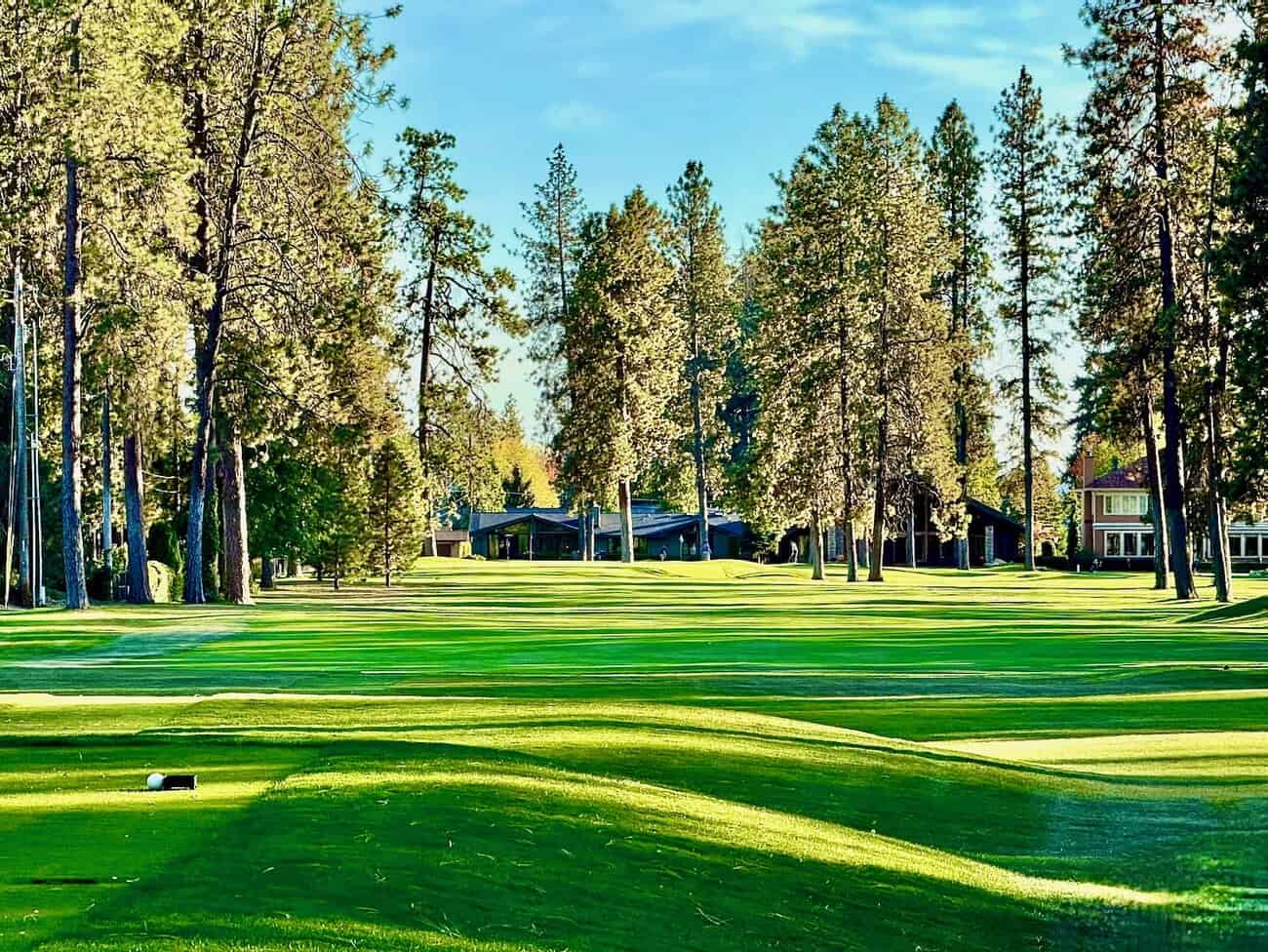
This hole is a short but stately par 4, echoing the charm of the old No. 13. Homes line the left side, a gentle reminder to keep your ball in play, while the right is strictly ponderosa pine, unforgiving and insistent. A misjudged tee shot can easily drift right, finding the trees rather than the fairway, so strategy outweighs distance here. Consider a long iron or fairway wood off the tee: it may leave a little more to cover on your approach, but it sets up a cleaner line to the green and a real chance to score. Precision and patience are rewarded; haste is not.
Hole 8
The tee box for the 8th sets the stage for a sweet par three with a respectable length, perfectly aligned with what was once the old 4th green. In its day, that stretch of turf wasn’t just for golf it was a playground. Snowmen once stood sentinel along the fairway, and frozen mornings gave way to impromptu hockey games, sticks and laughter cutting through the crisp winter air. The memory lingers, a quiet testament to the joy woven into every corner of this course. Just miss the greenside bunkers and par or even birdie is goal.

Hole 9
Concluding the front nine is a par 4 with a touch of drama. Taking a drive down the right side gives a slightly better angle to the theater ahead. The approach carries over a small body of water, guiding the ball toward the clubhouse and reminding you that every shot matters. Anything short and extra shots will be added to your score so just make sure you take enough club.
It’s a step up in intensity compared to the old 9th a finishing hole. It asks for focus, precision, and just a hint of courage before you step off the green and pause to reflect on the front nine.
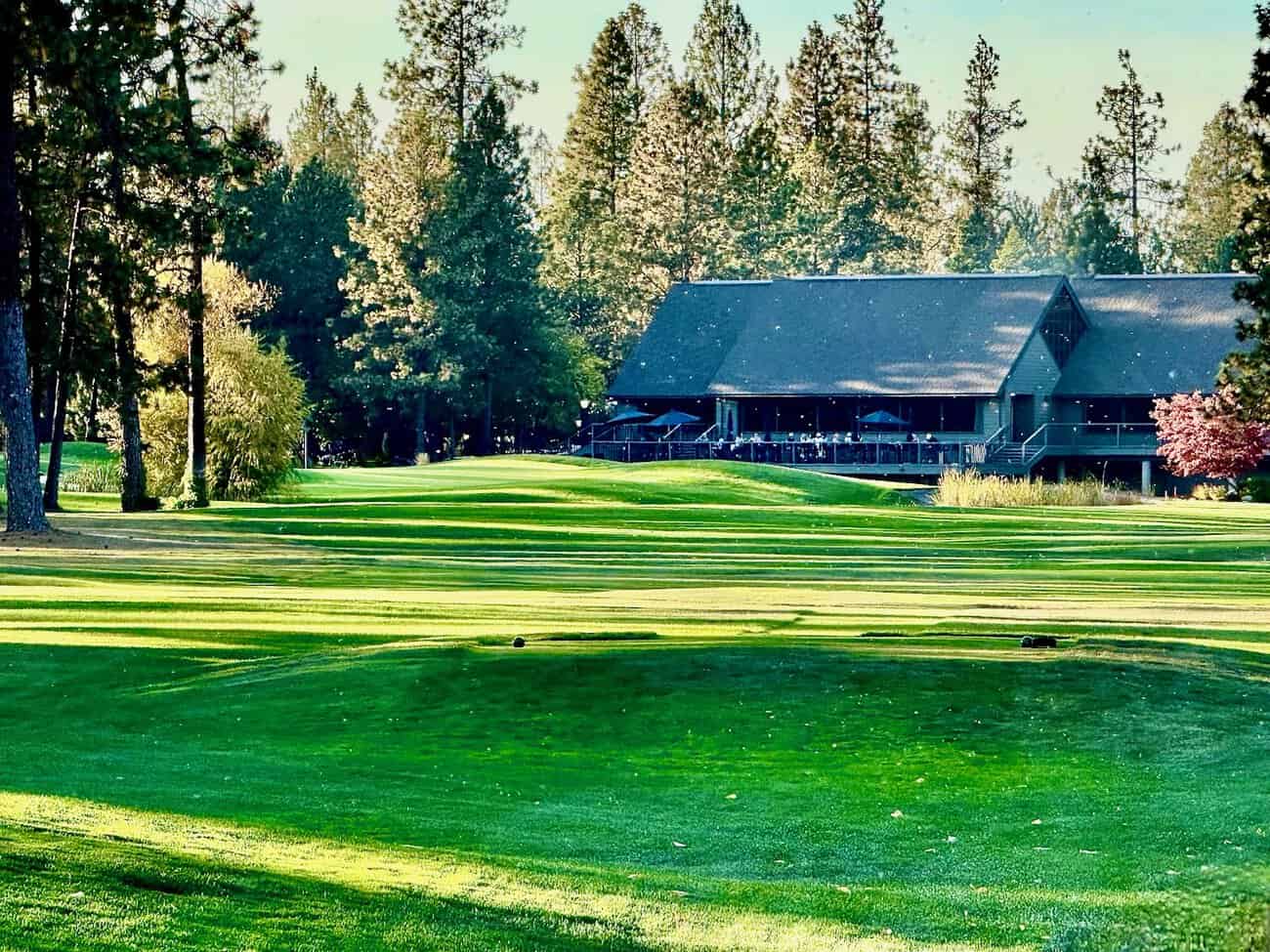
The menu at Manito is well worth a stop after the front nine. Grab a burger, a fresh salad, or a hearty sandwich whatever sparks your appetite and fuels your fire. Once you’ve refueled, it’s time to head out and tackle the back nine.
Hole 10
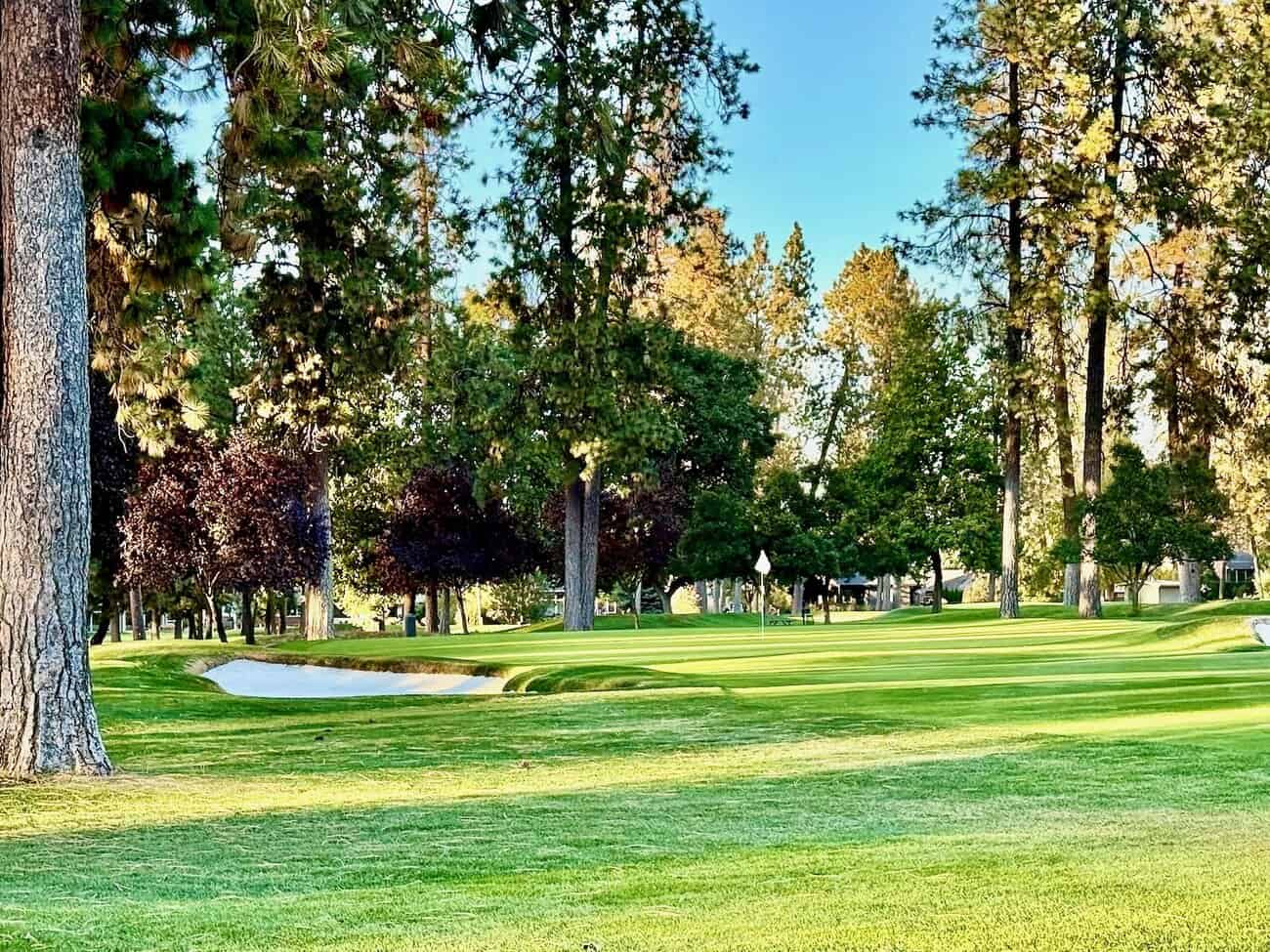
Once the 15th, the 10th hole comes into view as a par 4 slight dogleg to the left. Its length is modest, almost inviting, but that’s exactly what makes it tricky. The fairway is framed by tall ponderosa pines, and any overzealous drive that drifts offline will find itself swallowed by pine needles, leaving a slippery stance and a tricky angle for your next shot.
The key here is patience and precision off the tee. Find the sweet spot down the middle of the fairway, and suddenly the hole rewards you handsomely. A short iron in hand sets up a chance to reach the green with confidence, offering a real opportunity to flap your wings for birdie.
Hole 11
The 11th hole comes back the other way, nestled deep in the belly of the course. A sharp dogleg to the right, this par 4 demands both strategy and power. Here, length off the tee is essential so a driver is not optional, but necessary to reach the favorable landing area and give yourself a chance to navigate the bend.
The fairway tightens as it bends, flanked by tall pines that punish anything stray. Precision is critical, but so is courage: bite off too little, and you’ll face a long, tricky approach; overcommit, and the trees will remind you why this hole ranks among the toughest on the course. Every shot here counts, and a clean drive sets the stage for what could be a rewarding or humbling par.
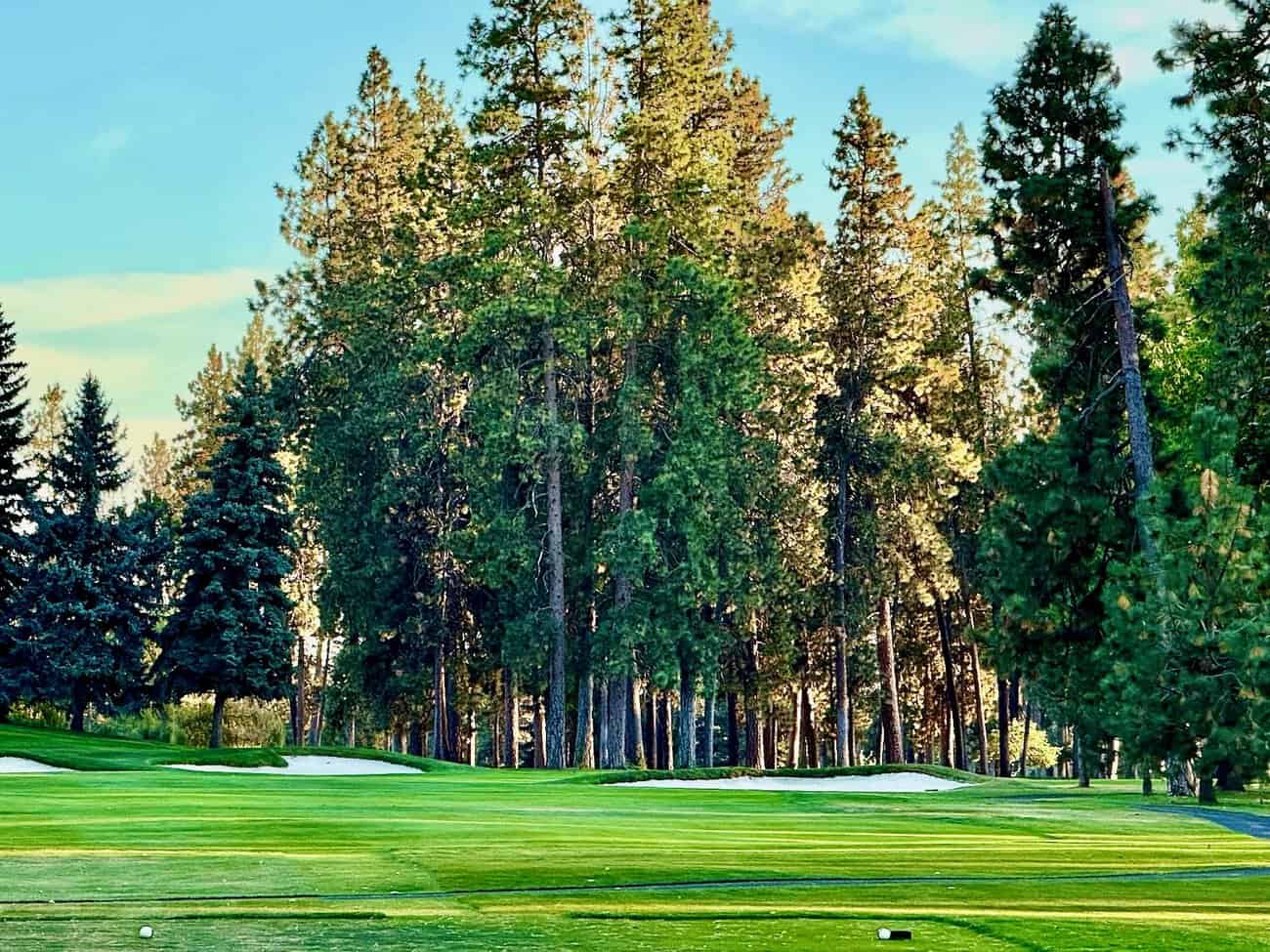
Hole 12
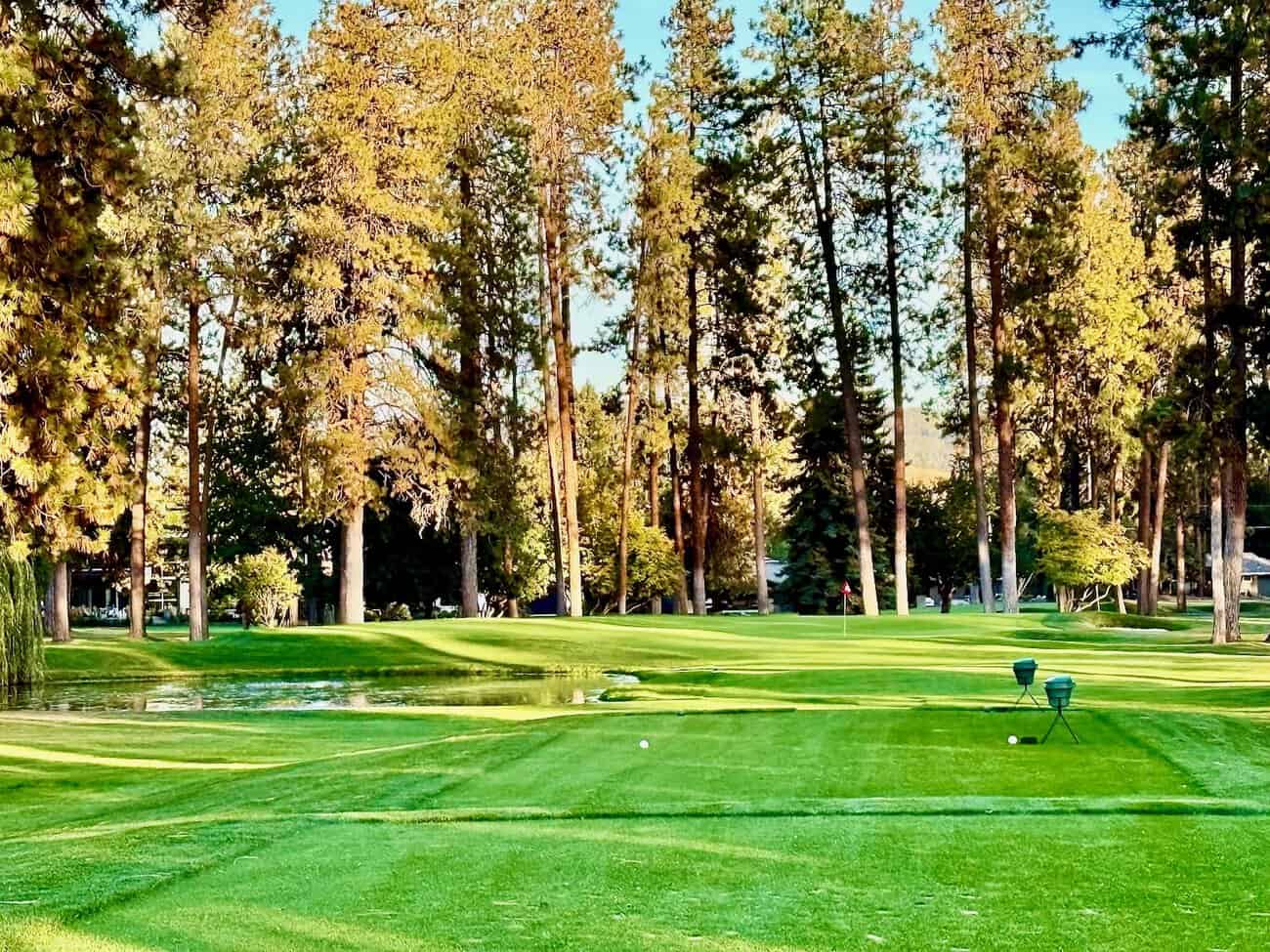
Nestled beside the weeping willow is the 12th, a charming little par 3, but don’t let its size fool you. It has a way of stirring a bit of paranoia. From the back tees, it plays long, from the front, more approachable, yet still demanding precision. Just check your eyesight.
A small water hazard guards the green, making distance control and trajectory critical. Keep the ball moving toward the pin with a smooth, controlled swing, and avoid excess spin. Anything overcooked or left short will be trouble. It’s a hole that rewards calm execution and punishes hesitation, a true test of focus in miniature.
Hole 13
The 13th has earned the reputation as one of the most enjoyable holes on the course. Stretching out from every set of tees, this slight dogleg to the right can feel like a beast, especially when the fairways are slick or the air carries the crisp bite so typical of the Pacific Northwest.
Accuracy off the tee is paramount. Stray too far left or right, and the dense pines will claim your ball or force a tricky recovery. Even a well-placed drive can leave a demanding second shot and then approach into this par 5, as the green is subtly contoured and well-guarded. It’s a hole that humbles, challenges, and separates patience from bravado a true measuring stick for anyone hoping to tame the back nine.
Hole 14
The 14th is a short par 5 that tempts with a genuine opportunity for birdie, but like much of Manito, it demands thoughtfulness as much as skill. From the tee, fairway bunkers line the right side, guarding the ideal landing zone and forcing players to consider angles as carefully as distance. A drive down the left side, or a gently curving shot from left to right, sets up the best approach, while a misjudged tee shot can leave you in trouble before the green even comes into view.
he second shot is equally strategic. Because the hole is short, there’s a temptation to go for it in two, a risky option that can yield an eagle or a costly misstep. Lay back, however, and the fairway opens nicely, giving a comfortable angle to the green. The putting surface itself is inviting but subtle, sloping in ways that can betray the unwary.
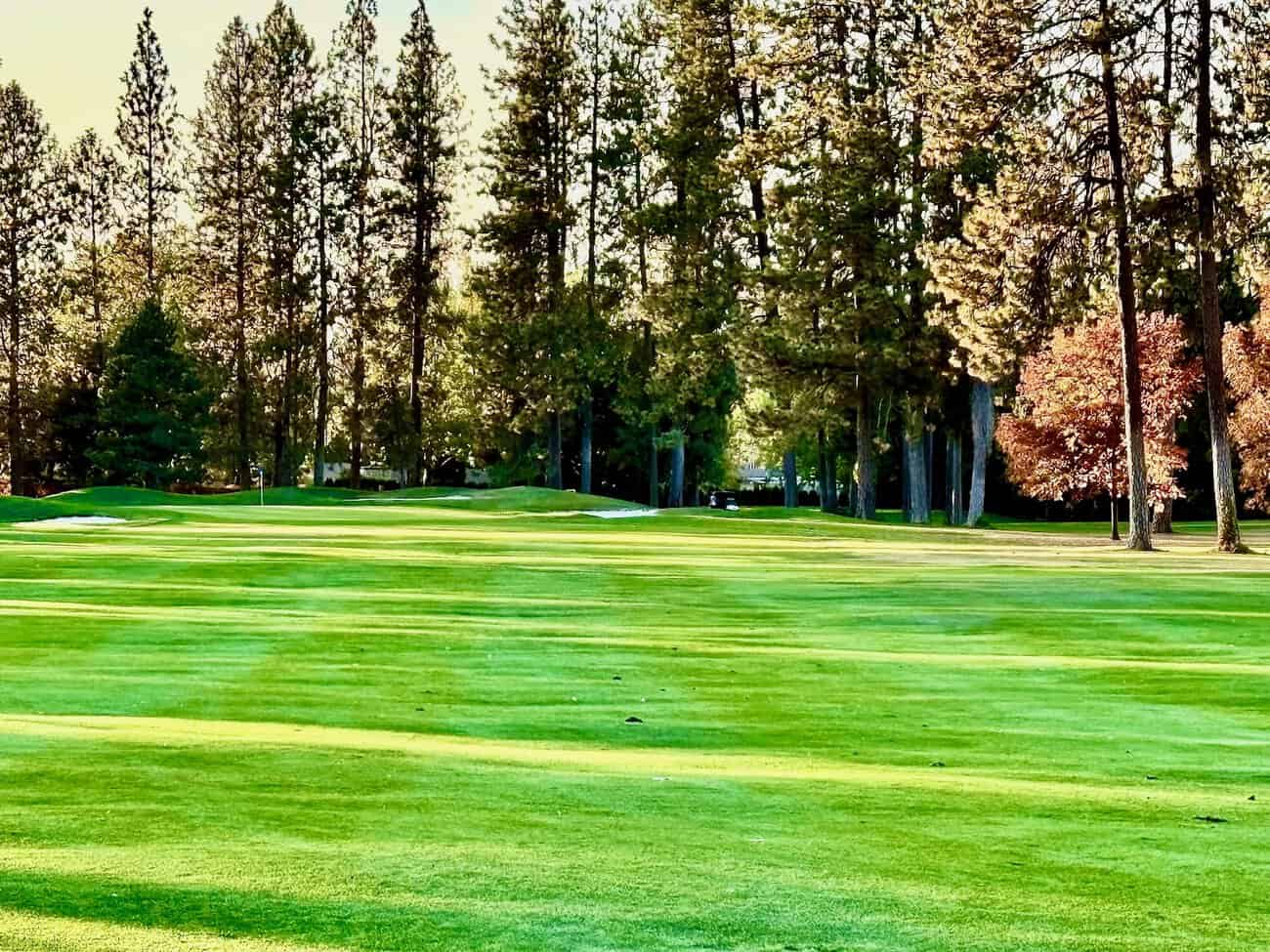
Hole 15
Step across the street to the area that once held the old hole 1. Keeping the integrity as a par 4, it now plays with houses lining the right side, rather than what was the old 18th. Yet the turf underfoot, the angles to the green, and the quiet challenge of the hole remain sacred hallowed ground for anyone who’s walked these fairways, past or present. But play the hole exactly as it looks and you will walk away with par.
Walking down the 15th, pause for a moment and close your eyes. Hear the gentle hum of the club around you the distant chatter of members, the satisfying “whack” of a ball struck cleanly from a persimmon-wood driver, and the laughter of children playing in the pool just off to the side.
Reach the green, look back at the fairway you’ve just conquered, let a smile settle in, and carry that quiet joy forward as you move along to the 16th. It’s a hole that reminds you golf is as much about memory and atmosphere as it is about score.
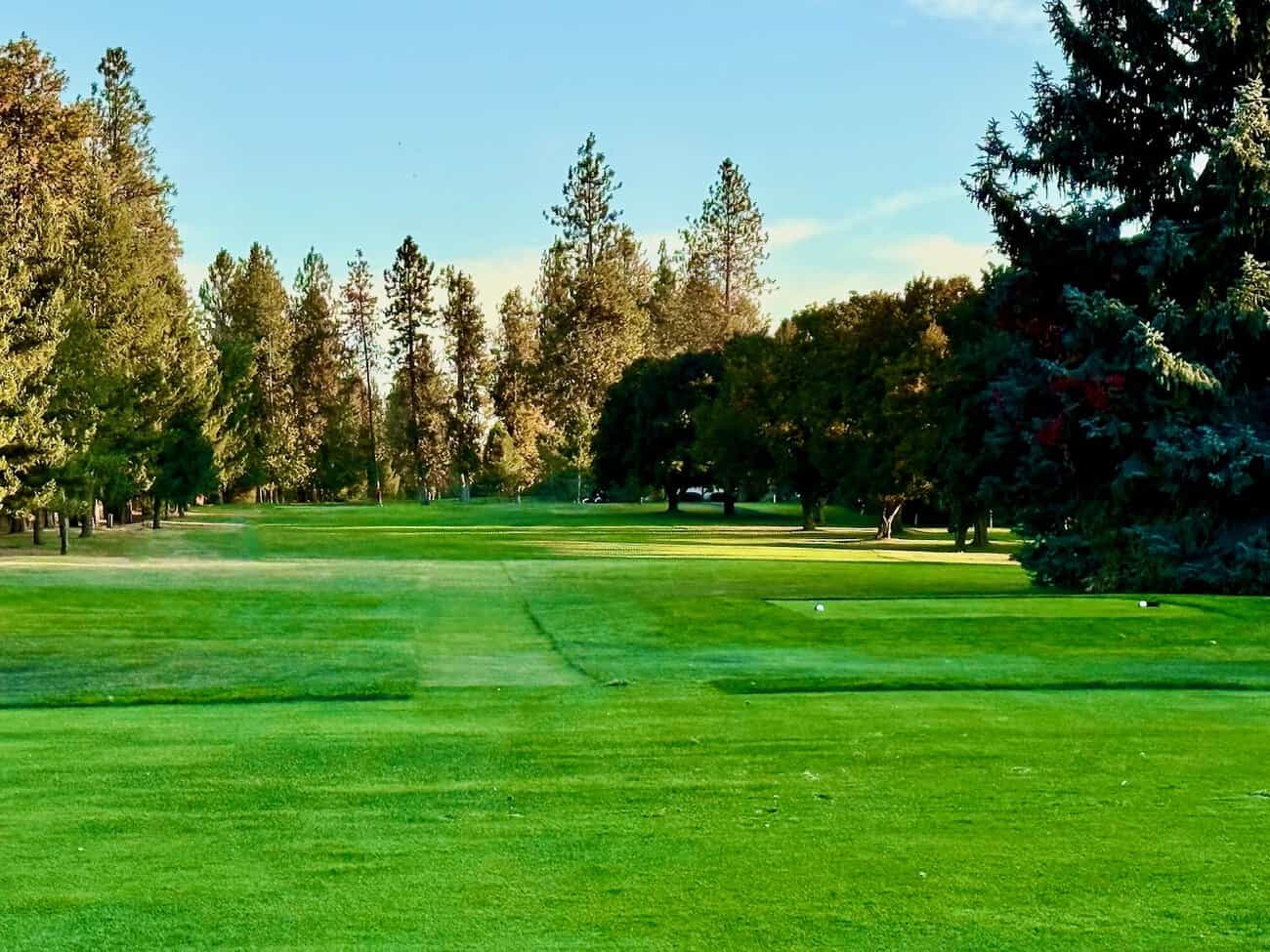
Hole 16
As far as I can tell, many of the trees we once climbed in our youth were cleared to make way for this fairly short par four. A pesky little fairway bunker lurks on the left, demanding respect, while homes and out-of-bounds on the right keep your shot honest.
The hole is short enough that a fairway wood or hybrid off the tee can suffice if the driver isn’t cooperating, but placement is everything here. Precision over power ensures a clean line to the green, where birdie is possible on this par 4. If you respect the angles and play your shots thoughtfully you will walk away smiling.
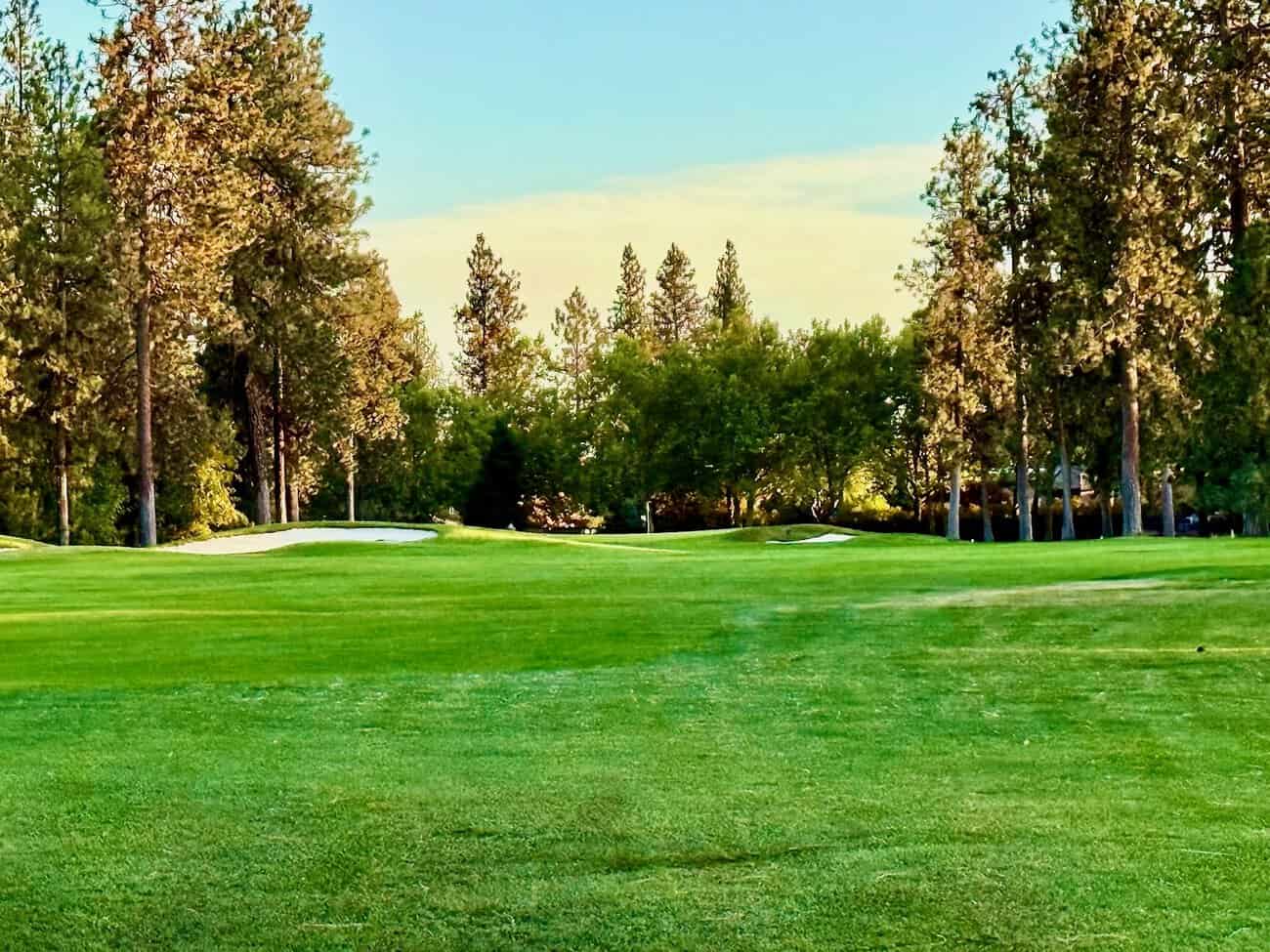
Hole 17
The 17th tee box occupies what was once the old 4th tee, presenting a par three that quietly commands respect. It’s a hole that tests both will and stamina, a measuring stick for focus just as fatigue begins to creep in. Every shot counts here, demanding careful club selection and steady nerves, setting the stage for the final hole that awaits beyond. There is a nice opening to the postage stamp green. Either bounce it up or fly it to the middle. The green will hold. Watch the contours and read the break!

Hole 18
The 18th is Manito’s signature hole. A par 4 short in length but overflowing with temptation. Every match that comes down to this green certainly pauses for drama, as water surrounds the putting surface ready to swallow any misguided shot. Anything struck short, long, or left finds itself swimming, while the only safe bailout lies to the right, near the adjoining 9th green.
Success here demands bravery, courage, and confidence in equal measure. Hit it true, and you’re rewarded with not just a closing birdie or par, but with the full celebration that awaits at the fire pit and the 19th hole, a fitting finale to a round steeped in challenge, beauty, and memory.
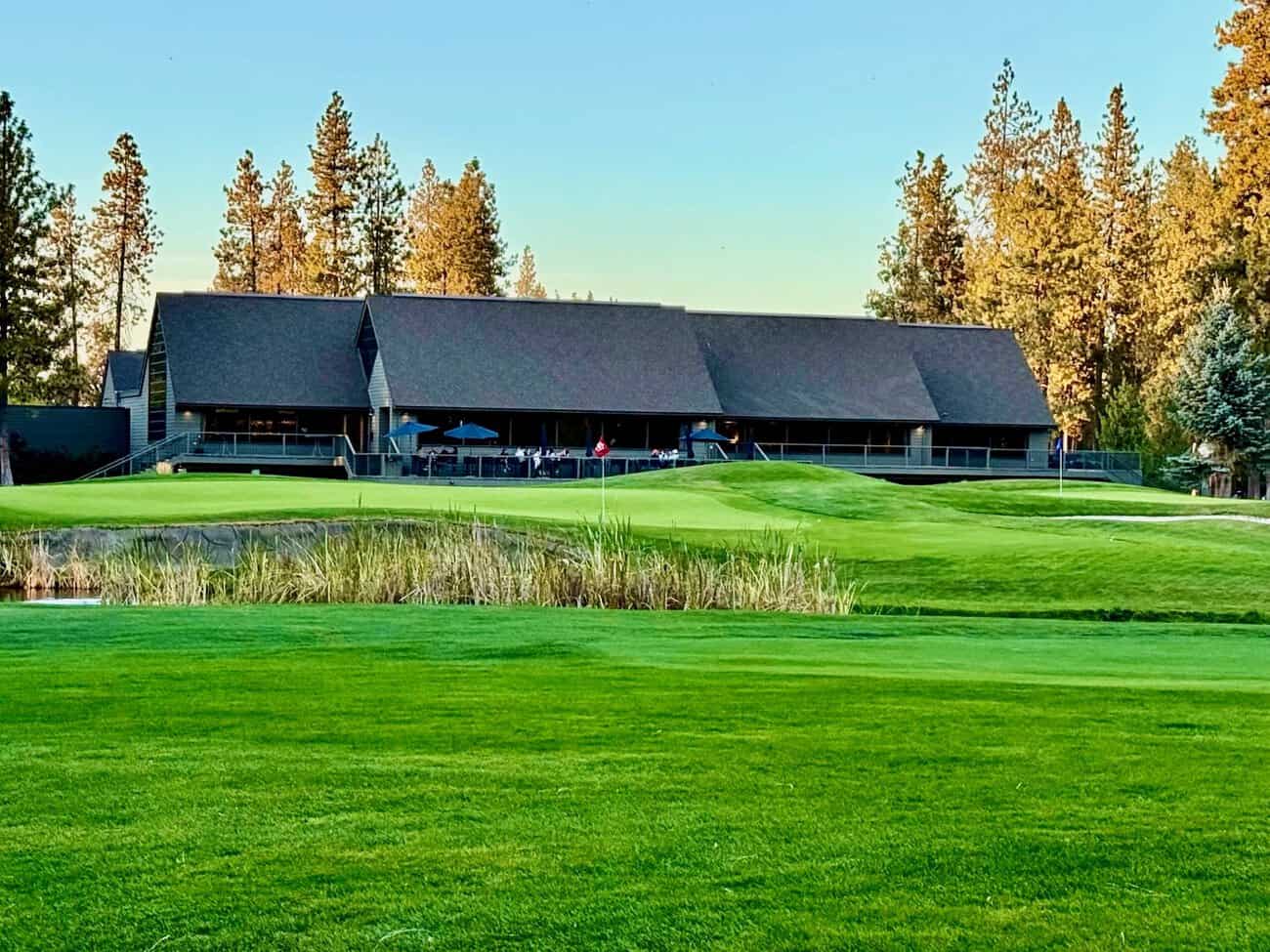
Manito. Though you may never again host a PGA event, the links on Spokane’s South Hill will forever be a championship course not merely by yardage or scorecard, but by the standard of memories made upon your fairways.
A force of nature in name and in spirit, you have given joy to generations fortunate enough to take the walk beneath your towering pines. The wind still moves through them as it always has. The valley still stretches wide beyond the bluff. Time changes many things but not the feeling of standing on your first tee.
And for me… no matter where the golfing gods may lead, no matter the courses I am blessed to play, there is no place like home.
Thank you, Manito, for the memories and for the moments still waiting ahead.
To continue reading please login in or join
To access all of our Course Reviews, Guides, Tips, Lessons, and so much more!