
Course Review

Grafarholt Golf Course
Reykjavik, Iceland
Golf in the Midnight Sun
AMW Faves List
Favorite Par 3 – #6 – A fun, downhill test that invites temptation off the tee, then asks for restraint on the way in—momentum is your friend here, but only if you keep the ball on the correct side of the slope.
Favorite Par 4 – #8 – Climb the steps and take in the view of the fairway spilling out below—a moment to pause, pick your line, and let the landscape set the tone before you swing.
Favorite Par 5 – #15 – A beautiful, sloping dogleg that rises to an elevated green, rewarding a well-shaped shot with sweeping views and a satisfying finish to the hole.
Favorite Hole Design – #9 – Demanding yet rewarding, this hole tests both strategy and execution, offering a real sense of accomplishment when navigated successfully..
Easiest Hole – #10 – A breezy, downhill design that encourages bold tee shots while letting gravity help carry your ball toward the target—fun, fast, and flowing.
Hardest Hole – #17 – A true test of endurance, this hole challenges you when your strength is waning, demanding focus, precision, and every bit of remaining energy.
Favorite Extra Sighting – following the Midnight Sun
Favorite Après Golf – finding the Icelandic Horses
Where to Stay – Eyja Guldsmeden Hotel, The Reykjavik Edition, 101 Hotel, Ion City Hotel, Hotel Reykjavik Saga
Where to Eat – Fish Markt, Franken, Dill, Ghandi
PLAN AHEAD
Course Details
Address: Golfklubbur Reykjavíkur, Grafarholt, 110 Reykjavík, Iceland.
Telephone: +354 570-1000
Website: grgolf.is
Architect: Nils Sköld
Year Open: 1934
Greens Fees: ⛳️⛳️
Yardage: a very deceiving – White – 6059; Gold – 5482; Blue – 5118; Red – 4624
What You Need to Know
It's AMW Story Time!
Imagine stepping onto the shores of Iceland over a thousand years ago. The wind carries the salt of the sea and the hiss of hot springs. A Viking chieftain, Ingólfur Arnason, stands with his wife Hallveig, surveying the rocky coast. To choose where to settle, he casts his high seat pillars into the waves, symbols of his authority, and swears to build a home wherever they come ashore. They land in a steaming bay, and Reykjavík, “Smoky Bay”, is born.
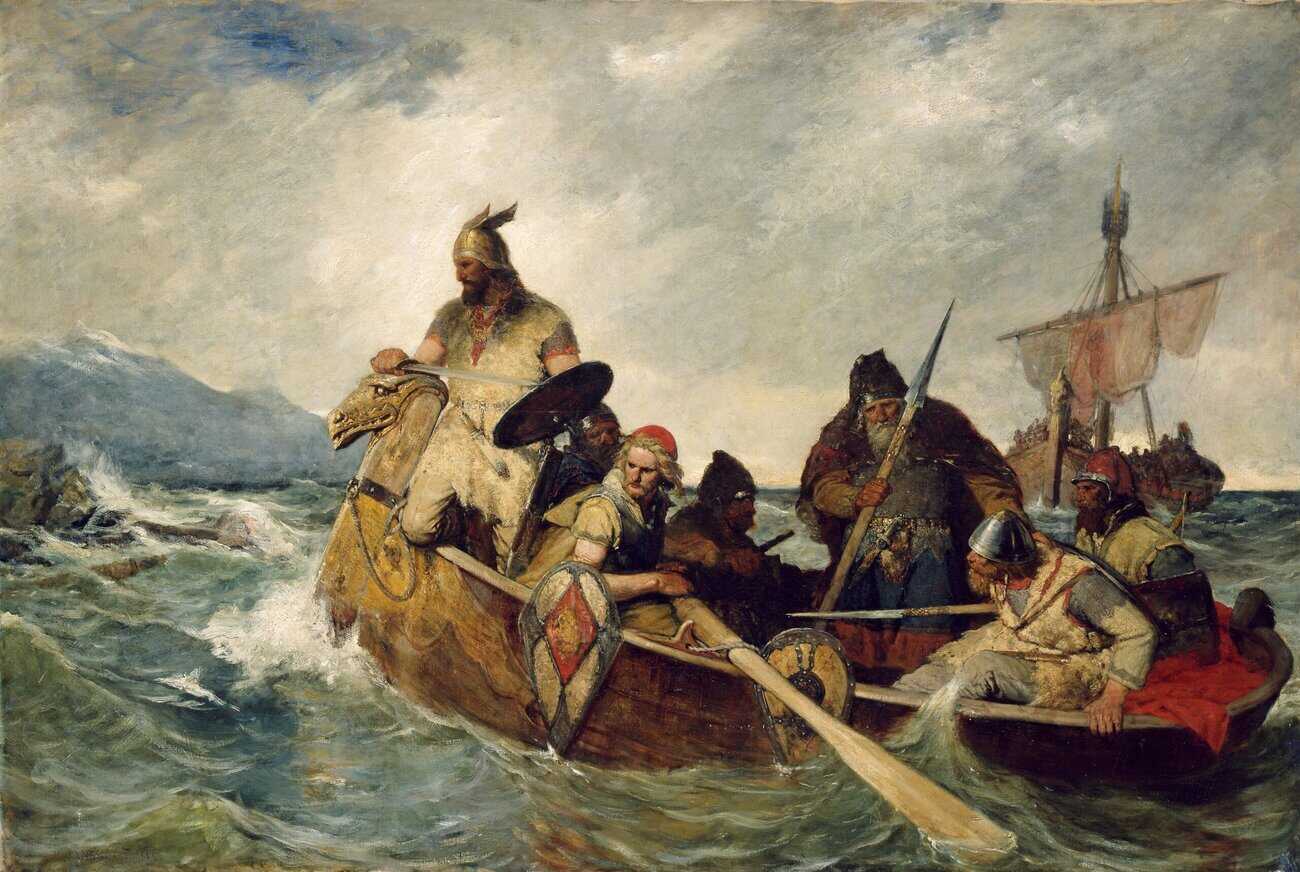
As you walk the streets of modern Reykjavík, it’s easy to forget the centuries of silence that followed Ingólfur’s settlement. For hundreds of years, the city slept while Iceland faced foreign domination, civil wars, and religious upheaval. The Danish crown-controlled trade, bishops held sway, and Reykjavík remained little more than a cluster of farms and shanties. Yet, life stirred quietly beneath the surface.
By the 18th century, a Danish entrepreneur, Skuli Magnusson, brought wool workshops to Reykjavík, weaving the city back into Iceland’s story. The port grew, trade opened, and the Alþingi (parliament) returned. Wars, strategic importance, and economic booms transformed Reykjavík into a cultural hub. Theatres opened, music filled the air, festivals celebrated the city’s rebirth—and Reykjavík began to pulse with life once more.
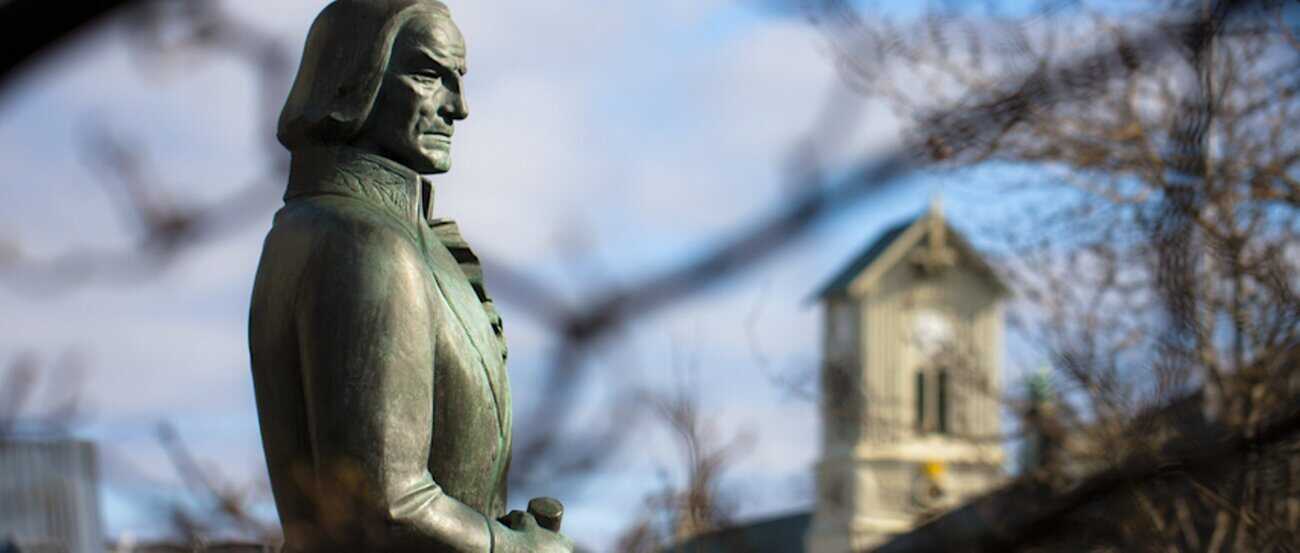
Step east, and you enter Grafarholt, a neighborhood born from centuries of history. Its lands trace back to the farm Gröf, once owned by the poet Einar Benediktsson. In the late 1990s, it became Reykjavík’s “millennium neighborhood,” streets named for Iceland’s historic milestones. Here, past and present meet, where children play in parks and families walk the same ground as poets and settlers centuries ago. Grafarholt is more than a suburb, and Reykjavík more than a capital.
To continue reading please login in or join
To access all of our Course Reviews, Guides, Tips, Lessons, and so much more!

