Course Review

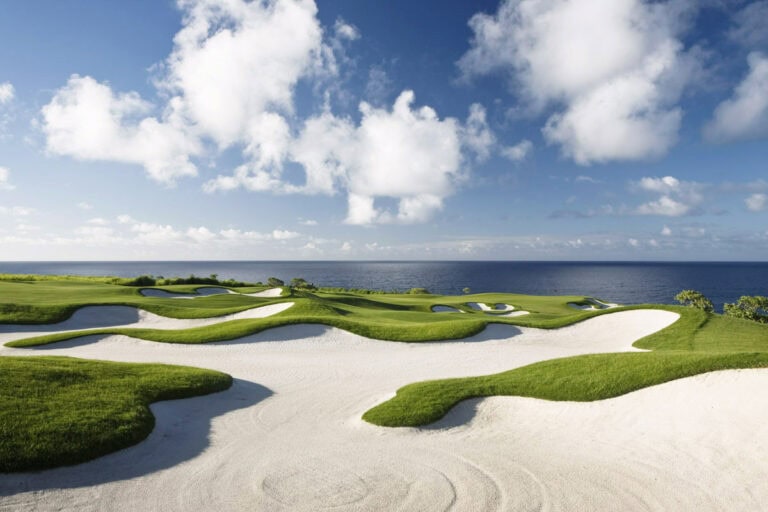
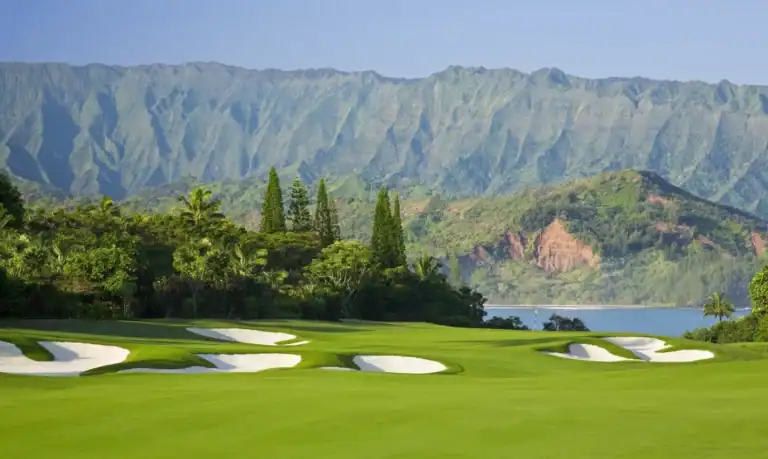
Hokolua Golf Club
Lihue, Hawaii
Where Lava, Ocean, and Golf Meet
AMW Faves List
Favorite Par 3 – #17 — A stunningly designed hole that pairs natural beauty with quiet drama. The views alone stop you in your tracks, but the architecture demands full attention, asking for commitment and trust as you take it all in.
Favorite Par 4 – ##15 — The ocean runs alongside as elevation changes shape every decision. Strategy matters here, rewarding thoughtful placement and awareness of both terrain and wind.
Favorite Par 5 – #10 — Turning back toward the ocean, this long, beautiful hole stretches out with a sense of anticipation, blending scale and scenery while asking for patience and solid execution.
Favorite Hole Design – #18 — An amazing finishing hole that gathers everything the round has asked of you, delivering a memorable closing test framed by beauty, drama, and a true sense of arrival.
Easiest Hole – #12 — A welcome breather before heading out to the ocean holes, offering a moment to reset, steady the rhythm, and enjoy the calm before the drama ahead.
Hardest Hole – #18 — This one challenges everyone, demanding focus, discipline, and a steady nerve as the round reaches its most dramatic moment.
Favorite Extra Sighting – Planes landing beside you on #11; Lihue Harbor on 16 and 17.
Favorite Après Golf – Hualani’s for drinks, snacks and a superb view.
Where to Stay – Royal Sonesta Resort (Lihue), adjacent to the course
Where to Eat – Hualani’s (at Timbers Resort), Duke’s (at Royal Sonesta)
PLAN AHEAD
Course Details
Address: 3351 Ho’ Olaule’A Way, Lihue, Hawaii 96766
Telephone: +1 (808) 241-6000
Website: GolfHokolua.com
Director of Golf: Thomas Freestone
Architect: Jack Nicklaus
Year Open: 1988, renovated in 2017
Greens Fees: ⛳️⛳️⛳️⛳️
Yardage: Manō – 7156; Koholā – 6681; Hihimanu – 6257; Nai’a– 5369
What You Need to Know
It's AMW Story Time!
Long before resorts and fairways traced the shoreline of Kauai, the night sky was a map. Polynesian voyagers crossed vast oceans guided by wind, currents, and the steady rise of the stars, reading the heavens as carefully as the sea. Among those guiding lights was Hōkū ala—the rising star that lifted above the horizon, marking direction, promise, and safe passage toward new land.
When those voyagers arrived, they found a landscape already in harmony with itself. This land became part of an ahupuaʻa, one of the traditional Hawaiian land divisions that stretched from the mountains to the sea. Fresh water flowed from upland forests into fertile fields, nourishing kalo and ʻuala. Near the shoreline, fisheries and coastal resources completed a system designed for balance and sustainability. Life here was shaped by stewardship, reciprocity, and deep respect for the ʻāina.
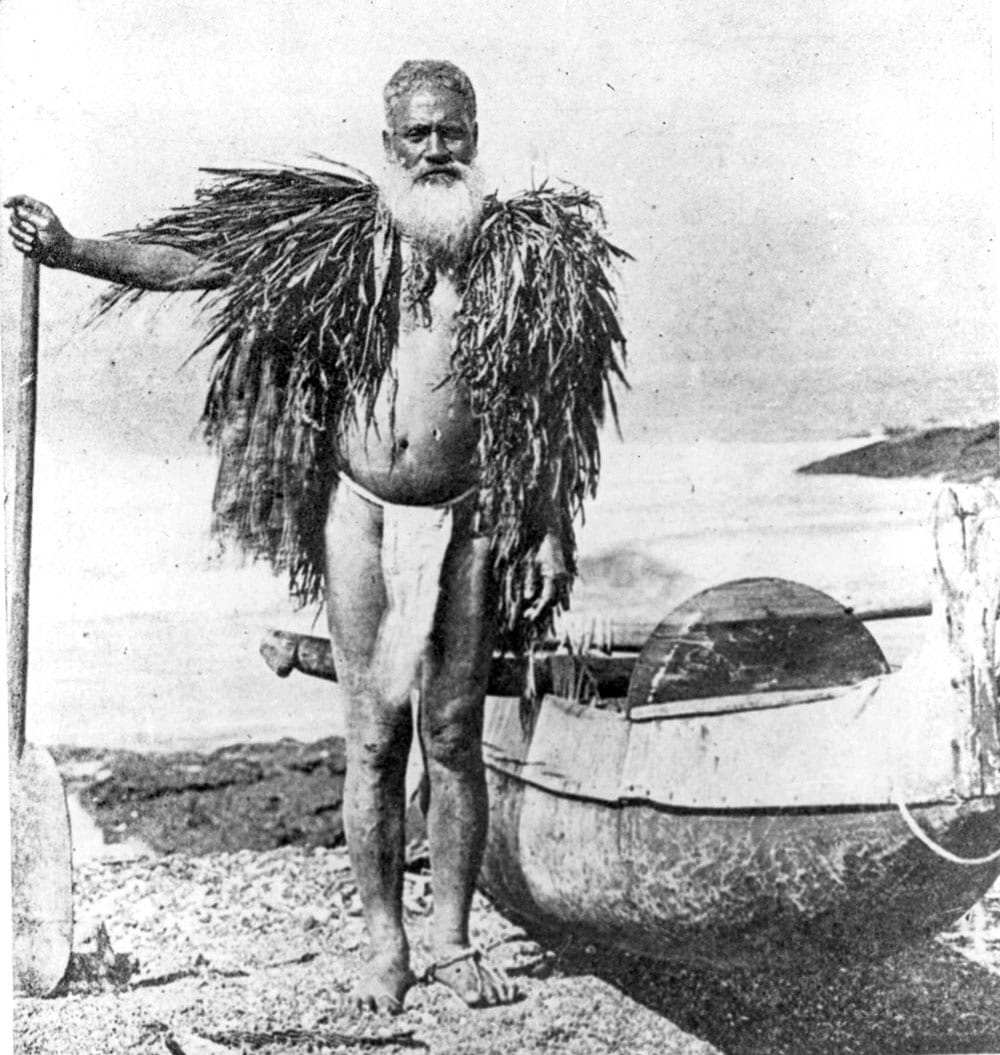
For generations, Native Hawaiians lived within this system, guided by observation and knowledge passed down through memory—much like wayfinding itself. The land was not owned in the modern sense, but cared for, understood, and shared.
That relationship changed with the arrival of the plantation era.
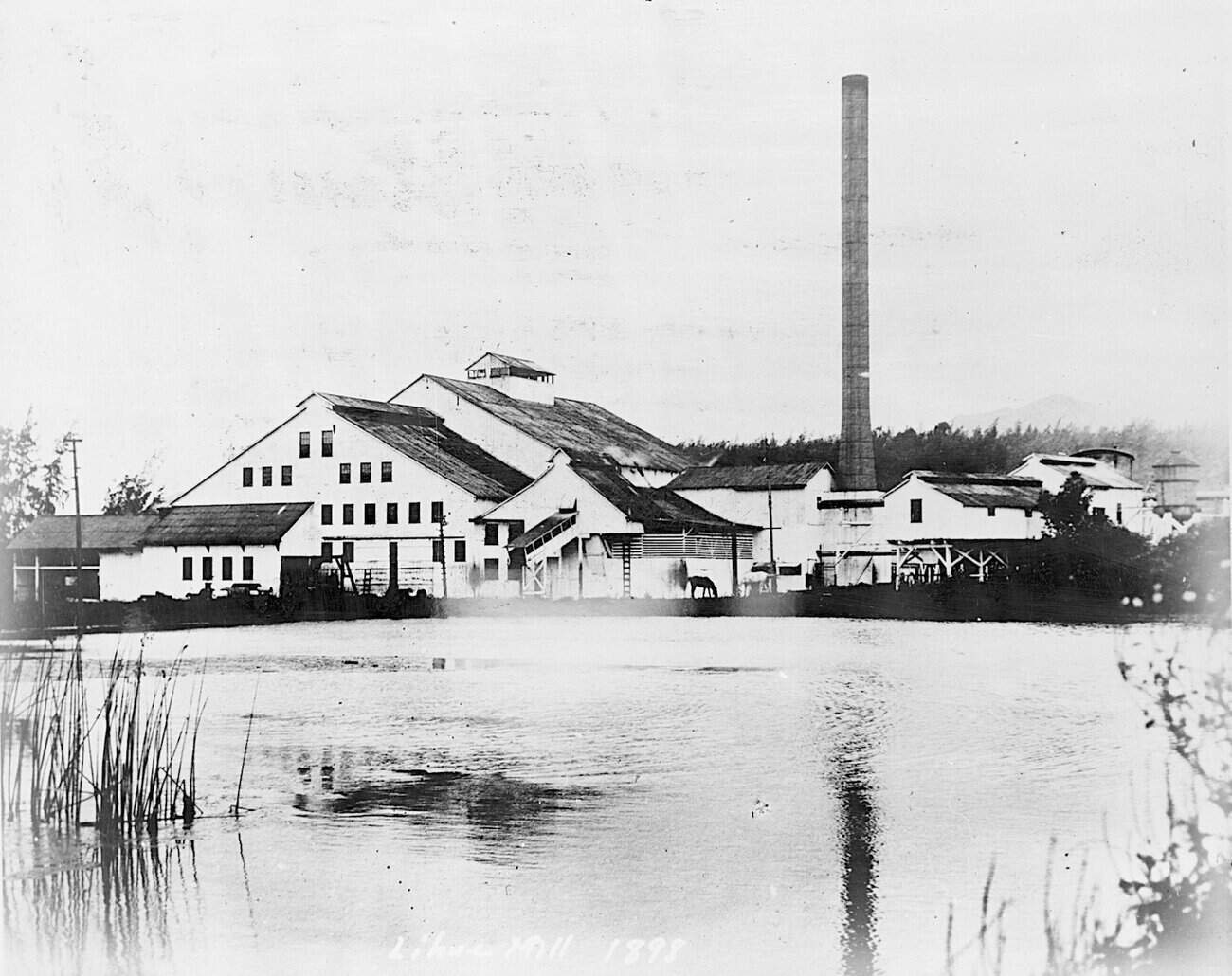
As Kauai entered the age of industrial agriculture, this land was absorbed into the vast Līhuʻe Plantation,becoming part of one of the island’s most powerful sugar estates. Diverse ecosystems gave way to endless rows of cane. Irrigation ditches redirected water, machinery reshaped the terrain, and labor from across the world transformed both the land and the cultural fabric of Kauai. For more than a century, sugar defined this coastline—productive, demanding, and enduring.
When the sugar industry declined, the fields fell quiet. What remained was a landscape layered with memory: ancient pathways beneath plantation roads, natural contours softened by time, and the ever-present ocean continuing its steady rhythm. The land waited.
To continue reading please login in or join
To access all of our Course Reviews, Guides, Tips, Lessons, and so much more!